Are Wood-Destroying Pests Threatening Your Property Value?
Homeownership is more than just possessing a structure; it represents an investment, a sanctuary, and a symbol of stability. Yet, hidden threats can silently undermine both the safety and value of your property. Among these, wood-destroying pests stand out as a particularly insidious danger. Termites, carpenter ants, and wood-boring beetles are capable of compromising the structural integrity of your home, often without immediate signs. Their damage can escalate over months or even years, leading to costly repairs and diminished property worth.
Understanding the impact of these pests is critical for homeowners, real estate investors, and property managers alike. Beyond structural damage, infestations can affect insurance claims, reduce curb appeal, and deter potential buyers, ultimately lowering resale value. Early detection, proactive prevention, and strategic remediation are essential to protecting your investment. This article delves into the most common wood-destroying pests, explores the risks they pose to your property value, and provides actionable insights to prevent and manage infestations. By the end, you will gain a clear understanding of how to safeguard your home and maintain its long-term financial and structural integrity.
Recognizing Common Wood-Destroying Pests
Termites: The Silent Invaders
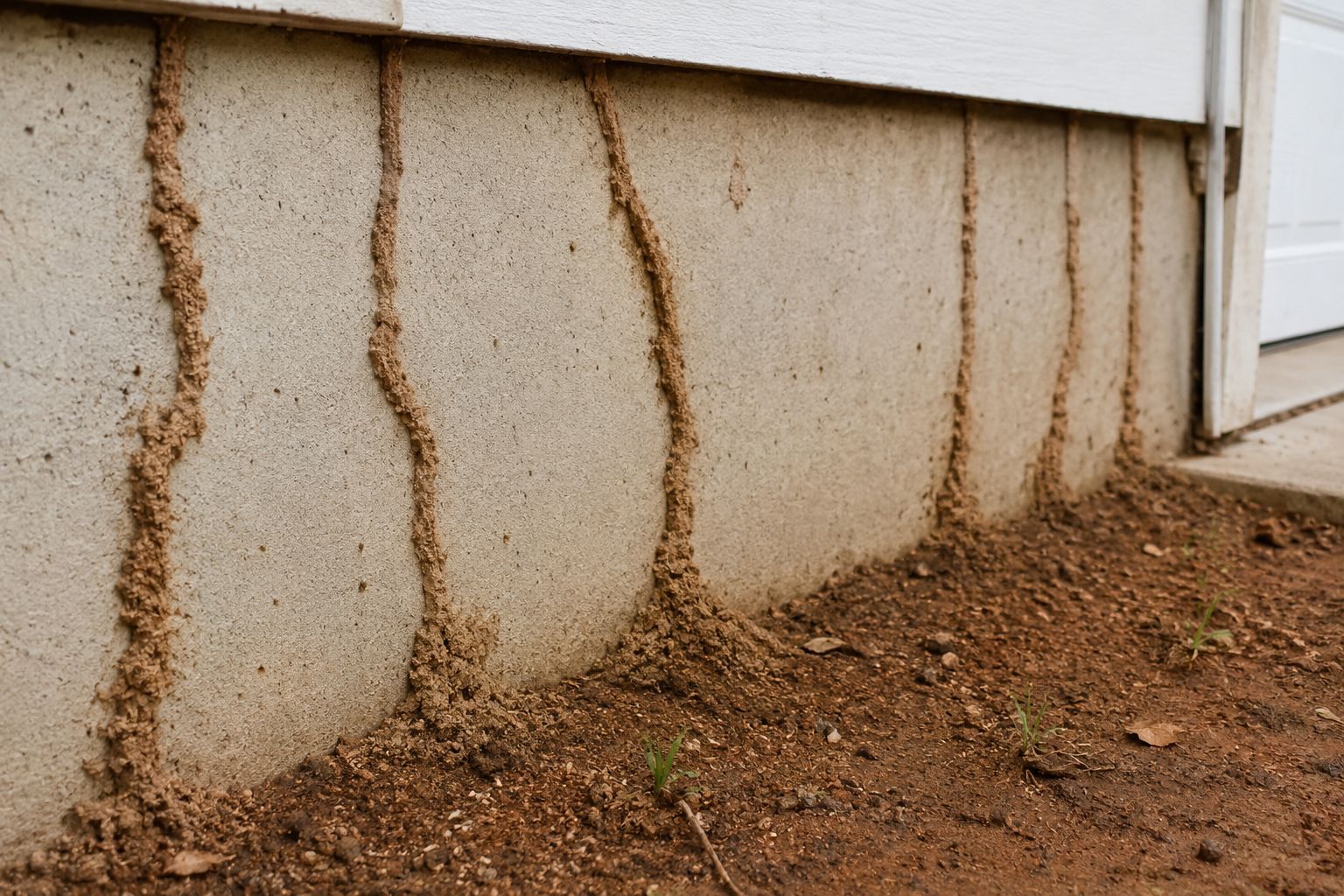
Termites are perhaps the most notorious wood-destroying pests due to their ability to remain hidden while causing extensive damage. Subterranean termites, which live underground, build intricate tunnel systems to access wooden structures, often leaving no visible signs above ground until the damage is severe. Drywood termites, in contrast, infest dry wood directly, often in attics, beams, or furniture. Both types can compromise load-bearing elements, leading to significant structural vulnerabilities.
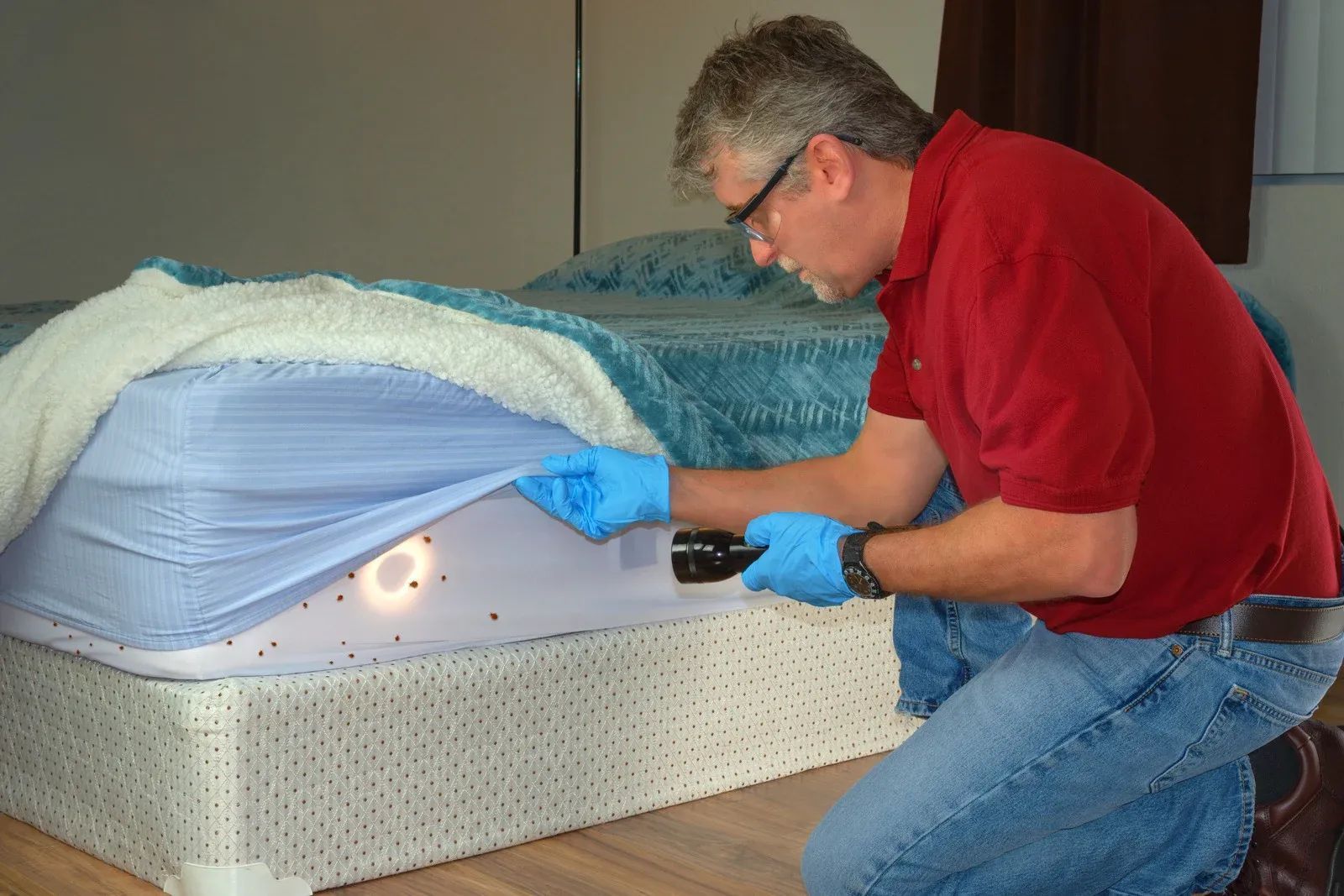
Signs of Infestation: Look for mud tubes, hollow-sounding wood, discarded wings near windows or doors, and tiny holes in wooden structures. Even slight signs should trigger immediate professional inspection to prevent widespread damage.
Impact on Property Value: Homes with termite history or ongoing infestations often see decreased market value. Buyers may request costly inspections or even avoid properties with known termite issues, resulting in slower sales and lower offers.
Carpenter Ants: Subtle but Destructive
Carpenter ants do not consume wood like termites but excavate it to create nests. This behavior can weaken structural elements over time, especially in areas with high moisture content. Carpenter ants are usually larger than termites and more easily visible but their nests are often hidden within wall voids, under siding, or in decayed wood.
Indicators of Presence: Listen for rustling noises in walls, look for sawdust-like frass near wooden structures, and inspect for large, black ants trailing along baseboards or beams.
Economic Implications: Even moderate carpenter ant damage can raise repair costs and discourage potential buyers, impacting both short-term marketability and long-term property valuation.
Wood-Boring Beetles: Tiny but Mighty
Wood-boring beetles, including powderpost beetles, lay eggs inside wooden structures, with larvae feeding internally over several years. The resulting powdery frass is often the first visible sign of infestation. While less aggressive than termites, beetle damage accumulates slowly and can affect fine woodwork, flooring, and structural timbers.
Detection Tips: Check for tiny exit holes, fine sawdust piles, and weakened wood surfaces. Preventative inspections are crucial, especially for homes with antique furniture or hardwood flooring.
Financial Consequences: Infestations can compromise aesthetics and structural strength, requiring expensive treatment and wood replacement, directly affecting property value.
How Infestations Reduce Property Value
Structural Integrity and Safety Risks
Wood-destroying pests weaken support beams, joists, and flooring, creating potential hazards for inhabitants. Over time, unchecked infestations can cause sagging floors, warped walls, and, in extreme cases, partial collapses. Such damage not only poses safety risks but also significantly reduces the resale value of a property.
Example Scenario:
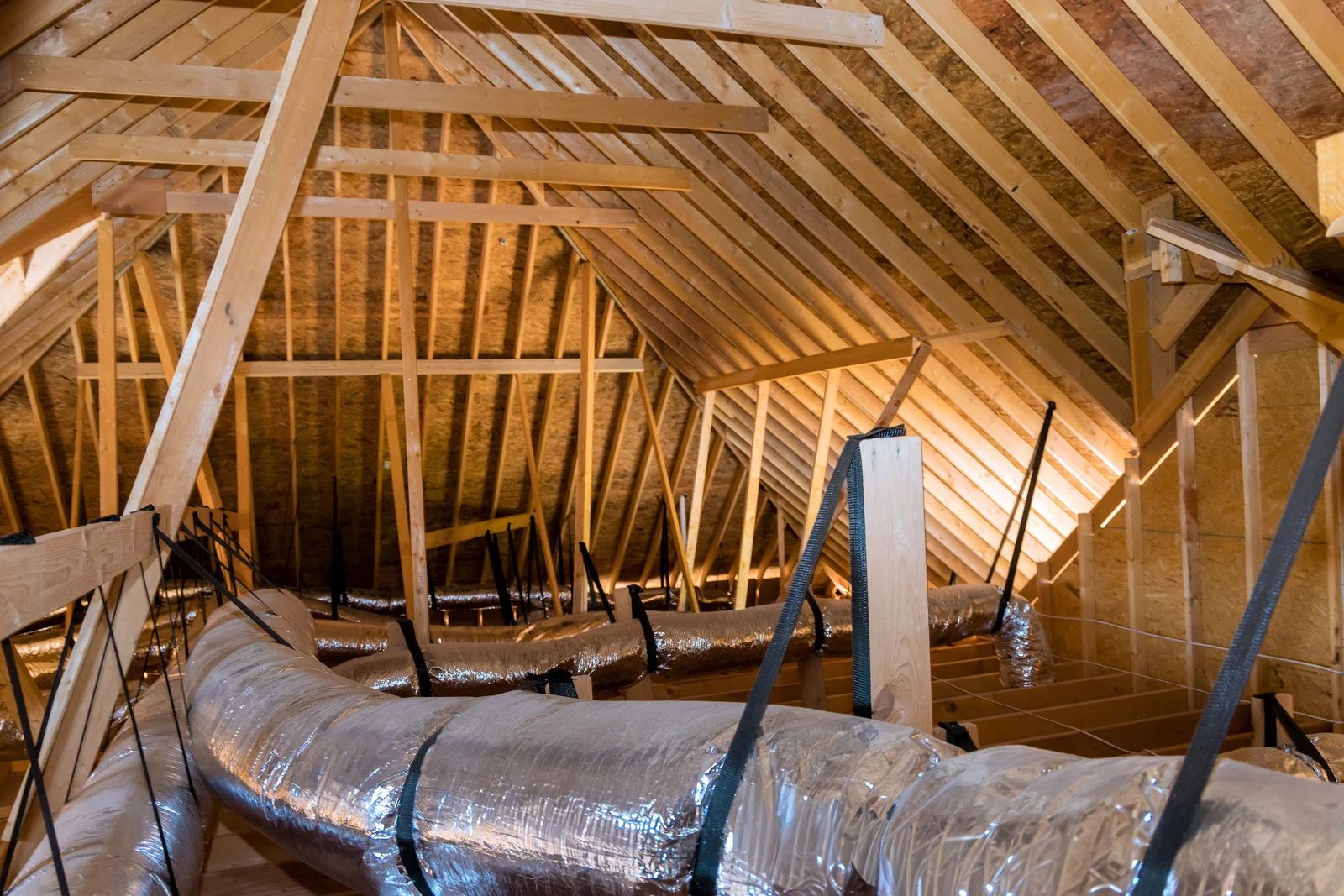
A home with hidden termite damage in the attic may appear sound during casual inspection. However, a professional evaluation could reveal compromised trusses that would require thousands of dollars in repairs, directly lowering the home’s market price.
Impact on Buyer Perception
Buyers are often wary of properties with a history of pest issues. Even if the infestation has been treated, the perception of prior damage can influence negotiation, leading to reduced offers or delayed sales. Homes listed as “pre-treated for termites” may appear more cautious to buyers, triggering additional inspections or requests for warranties.
Case Study: Real estate markets in areas with high termite prevalence often see properties selling below average value when previous infestations are disclosed, emphasizing the importance of ongoing preventative measures.
Insurance and Financing Challenges
Insurance companies and lenders may impose higher premiums or stricter policies for properties with known wood-destroying pest damage. Some insurers may require certification that infestations have been addressed before providing coverage, while lenders might request extensive inspections before approving mortgages. These added obstacles can influence a property’s attractiveness and financial performance in the market.
Prevention: Protecting Your Property Before Damage Occurs
Regular Inspections
Moisture Management
Wood-destroying pests thrive in moist environments. Leaky pipes, poor drainage, and inadequate ventilation create ideal conditions for infestations. Addressing moisture issues not only protects structural wood but also discourages pest habitation.
Actionable Tip:
Ensure gutters are clear, maintain proper grading around the foundation, and repair plumbing leaks promptly.
Protective Treatments
Chemical barriers, wood preservatives, and termite-resistant materials offer long-term protection. These treatments can be applied during construction or retrofitted in existing homes to reduce the risk of infestation.
Example:
Liquid termiticides applied around the foundation can create a protective barrier, while borate treatments inside wall cavities provide internal protection for wooden beams and joists.
Effective Remediation Strategies
Professional Pest Control Services
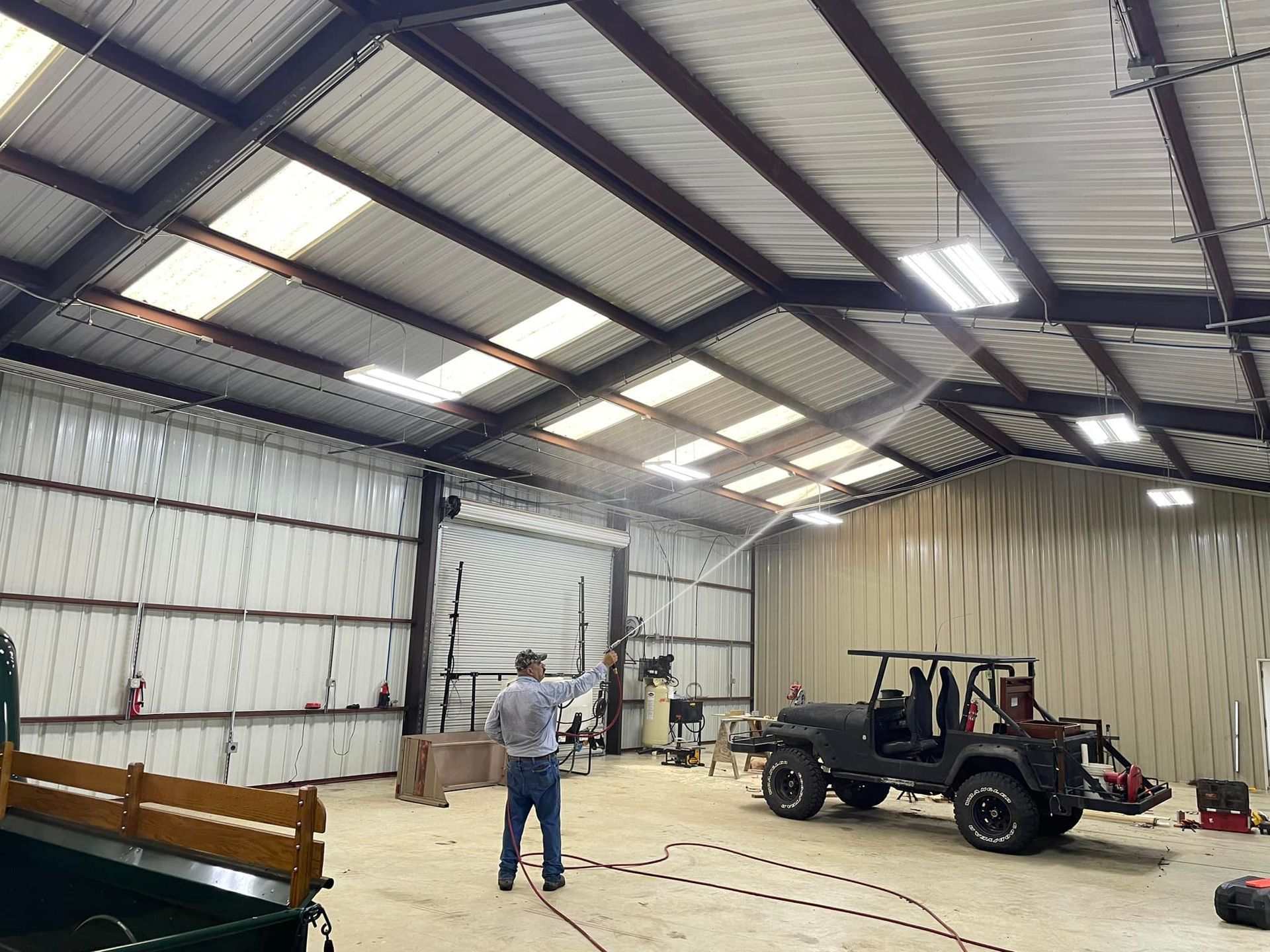
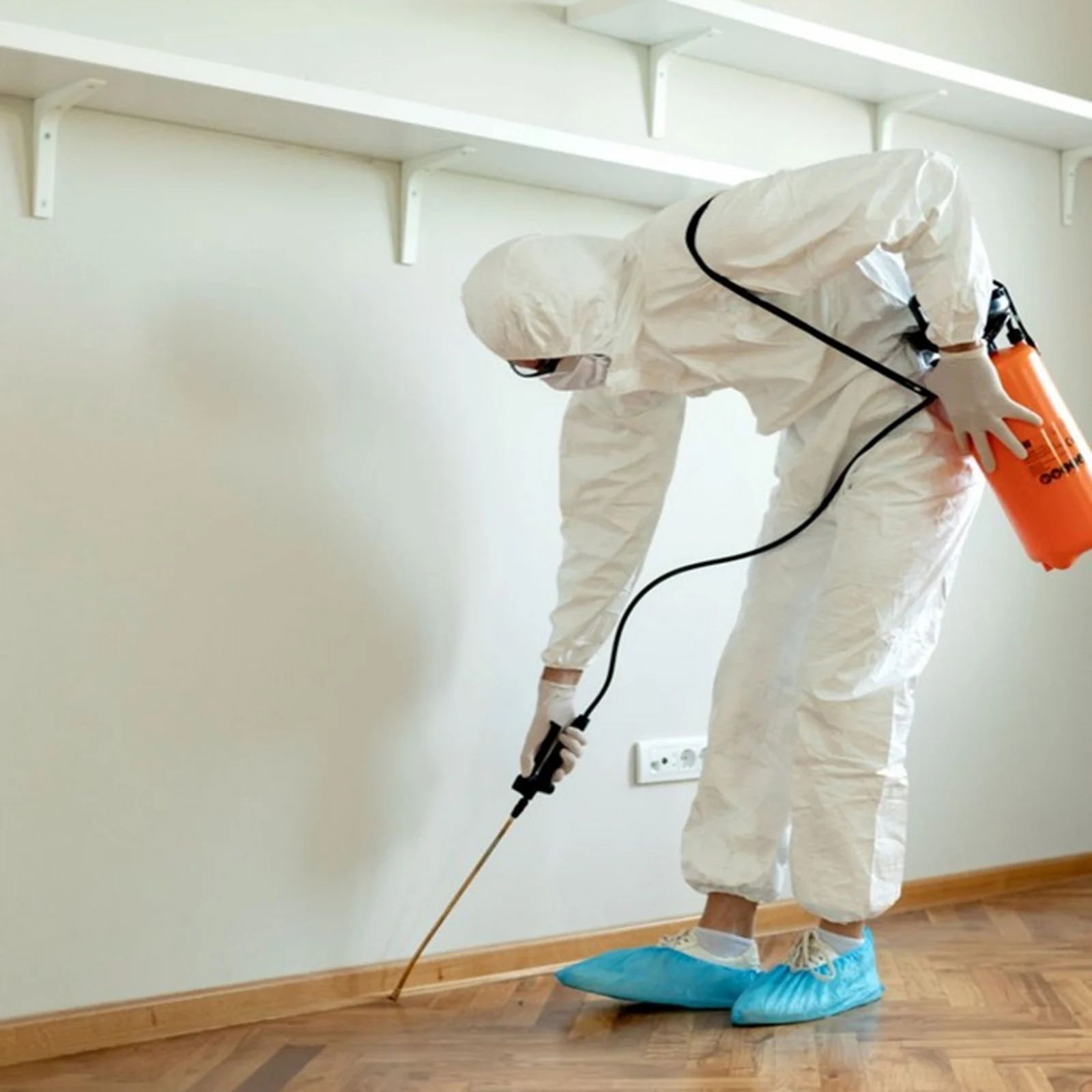
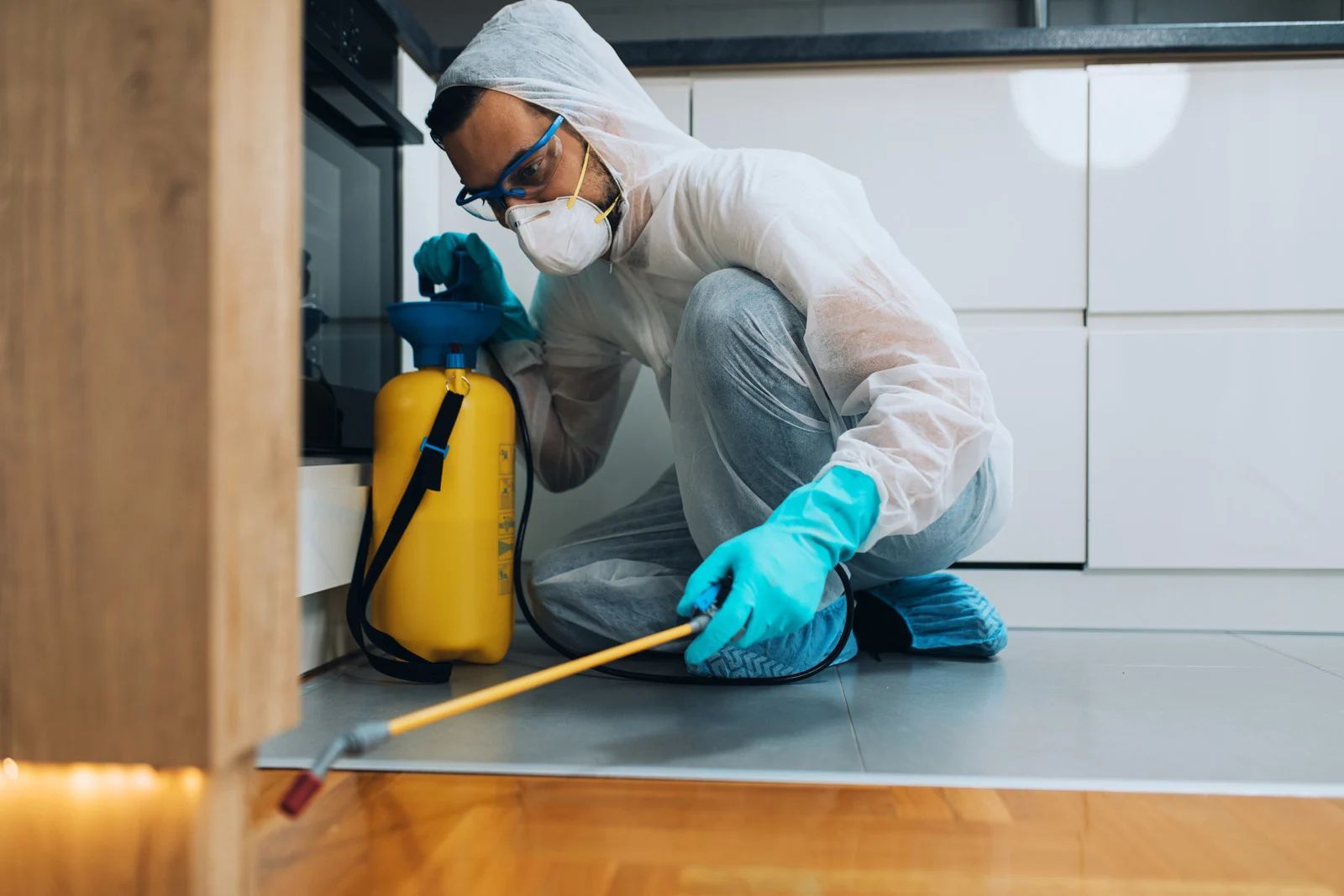
Once an infestation is identified, prompt professional intervention is essential. Pest control companies employ targeted treatments, such as baiting systems for termites or localized chemical applications for carpenter ants, to eradicate active colonies.
Expert Insight: DIY approaches often fail to reach hidden nests, allowing reinfestation and continued damage. Certified technicians ensure complete coverage and safe application.
Structural Repairs and Reinforcement
After treatment, repairing damaged wood is crucial for restoring both safety and property value. Reinforcement may involve replacing beams, joists, or flooring and treating adjacent wood to prevent recurrence.
Real-World Example: A homeowner discovers subterranean termite damage in the basement. After professional extermination, damaged beams are replaced and a moisture barrier installed, restoring structural integrity and market appeal.
Monitoring for Recurrence
Long-term protection requires ongoing monitoring. Installing bait stations, routine inspections, and preventive treatments reduce the likelihood of future infestations and help maintain the home’s value.
Case Insight: Properties with documented monitoring and maintenance programs often command higher resale prices, as buyers value proactive risk management.
Real Estate and Financial Considerations
Disclosure Obligations
In many regions, sellers are required to disclose past or present pest infestations. Failing to provide accurate information can result in legal liability and potential financial penalties. Transparency builds trust with buyers and can prevent post-sale disputes.
Pro Tip:
Maintain records of inspections, treatments, and repairs to demonstrate responsible property management.
Market Impact
Homes with current or historical pest damage may experience slower sales, lower offers, and increased negotiation pressure. Understanding local market trends and prevalence of wood-destroying pests helps homeowners anticipate challenges and plan effective interventions.
Scenario: In termite-prone areas, properties without proactive treatment often sell below market value. Conversely, homes with preventive measures and professional certifications attract more competitive offers.
Cost-Benefit Analysis of Prevention vs. Repair
Investing in preventive measures and early intervention typically costs less than repairing extensive structural damage. Homeowners should weigh the long-term financial benefits of professional pest management against potential losses due to unchecked infestations.
Financial Insight: Proactive pest control can save thousands in repair costs and preserve the property’s resale value, making it a strategic investment for homeowners.
Protecting Your Property Value Through Pest Management
Wood-destroying pests present a silent yet significant threat to property integrity and market value. Termites, carpenter ants, and wood-boring beetles can compromise structural elements, increase repair costs, and impact buyer perception. Preventive measures—including regular inspections, moisture management, protective treatments, and professional monitoring—are essential for minimizing risk. In addition, understanding financial, legal, and real estate implications allows homeowners to make informed decisions and maintain property value over time. Investing in proactive management not only safeguards your home structurally but also enhances long-term financial stability and market appeal.
COWBOY PEST CONTROL, based in Atascosa, Texas, has been providing trusted pest management services for over 4
years. Our team specializes in identifying, treating, and preventing wood-destroying pests that threaten homes and property values. With a commitment to professionalism and safety, we combine expert knowledge with effective treatment strategies to ensure comprehensive protection. From thorough inspections to tailored remediation plans, we work closely with homeowners to safeguard investments and maintain structural integrity. We prioritize long-term solutions, proactive monitoring, and environmentally responsible practices, giving property owners confidence that their homes remain secure and valuable. Choosing COWBOY PEST CONTROL
means partnering with a reliable, experienced authority dedicated to protecting your home from the hidden dangers of wood-destroying pests.