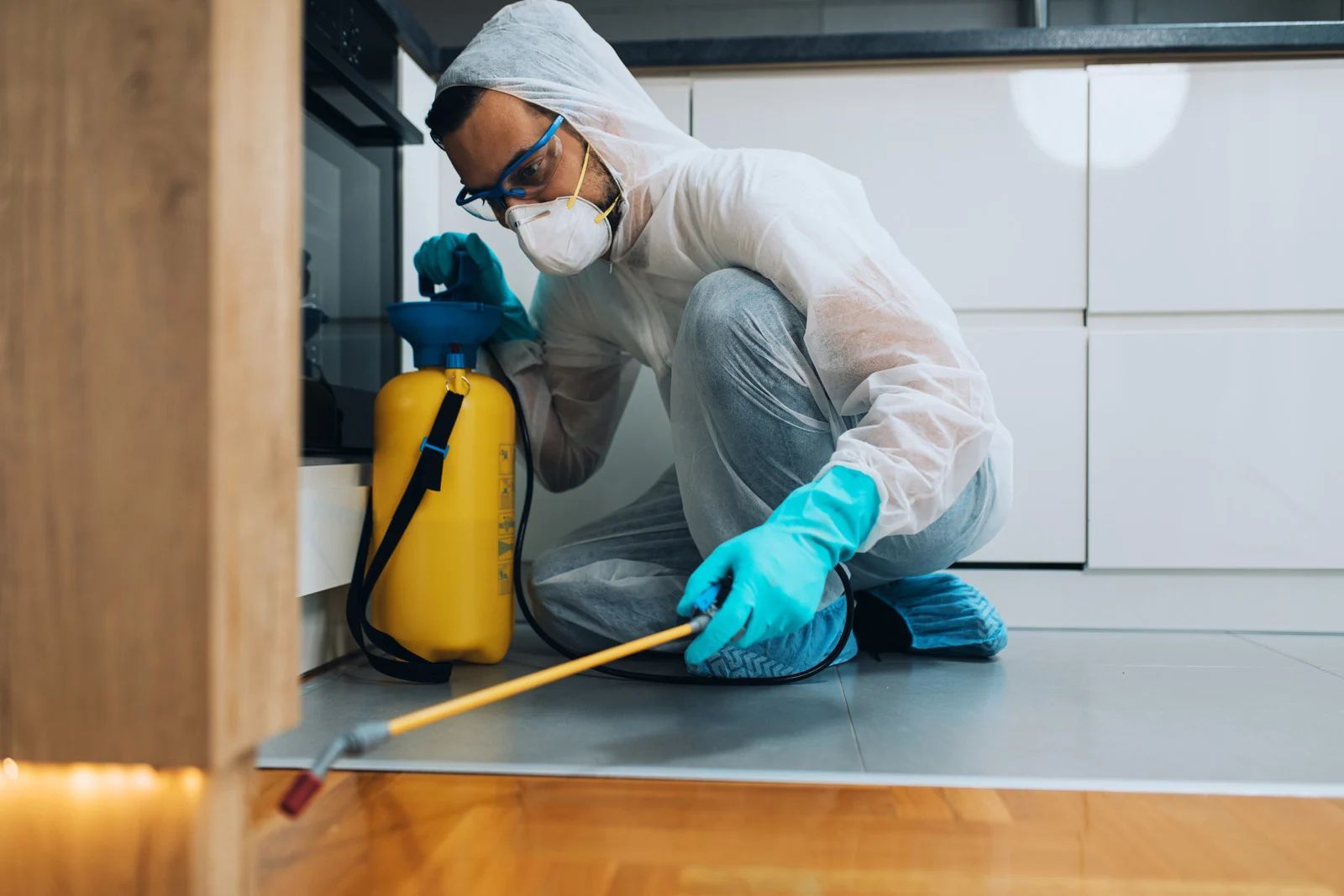
Rodent-Proofing Your Attic and Basement: Expert Tips That Work
Rodents are more than just an unwelcome nuisance in homes—they pose serious risks to property and health. Attics and basements, with their quiet, undisturbed spaces, are especially attractive to rats, mice, and other rodents seeking shelter, warmth, and access to food. These pests can gnaw through wires, insulation, and wooden structures, potentially causing electrical fires, structural damage, and costly repairs. Beyond physical damage, rodents carry diseases that can threaten the health of residents, making proactive prevention a necessity for every homeowner. Their ability to reproduce quickly means that even a small infestation can escalate into a major problem if left unchecked, and early detection often proves difficult due to their nocturnal habits. Moreover, infestations can impact air quality and create unpleasant odors, further affecting the comfort and safety of your home.
Effective rodent-proofing is not just about reacting to an infestation—it’s about creating an environment that discourages these intruders from gaining access in the first place. From sealing entry points to implementing smart storage and sanitation practices, a systematic approach can save homeowners time, money, and stress. This guide will explore expert strategies for protecting attics and basements from rodents, combining practical tips, real-world examples, and actionable insights. By understanding rodent behavior and implementing proven preventive measures, homeowners can safeguard their properties, reduce long-term risks, and maintain a healthier, safer living environment. In addition, following these strategies can improve energy efficiency by preventing damage to insulation and structural elements, while also giving homeowners peace of mind knowing their home is secure against persistent pests. With a proactive approach, rodent-proofing becomes a manageable and sustainable aspect of home maintenance rather than a reactive emergency.
1. Understanding Rodent Behavior and Risks
Common Rodents in Homes
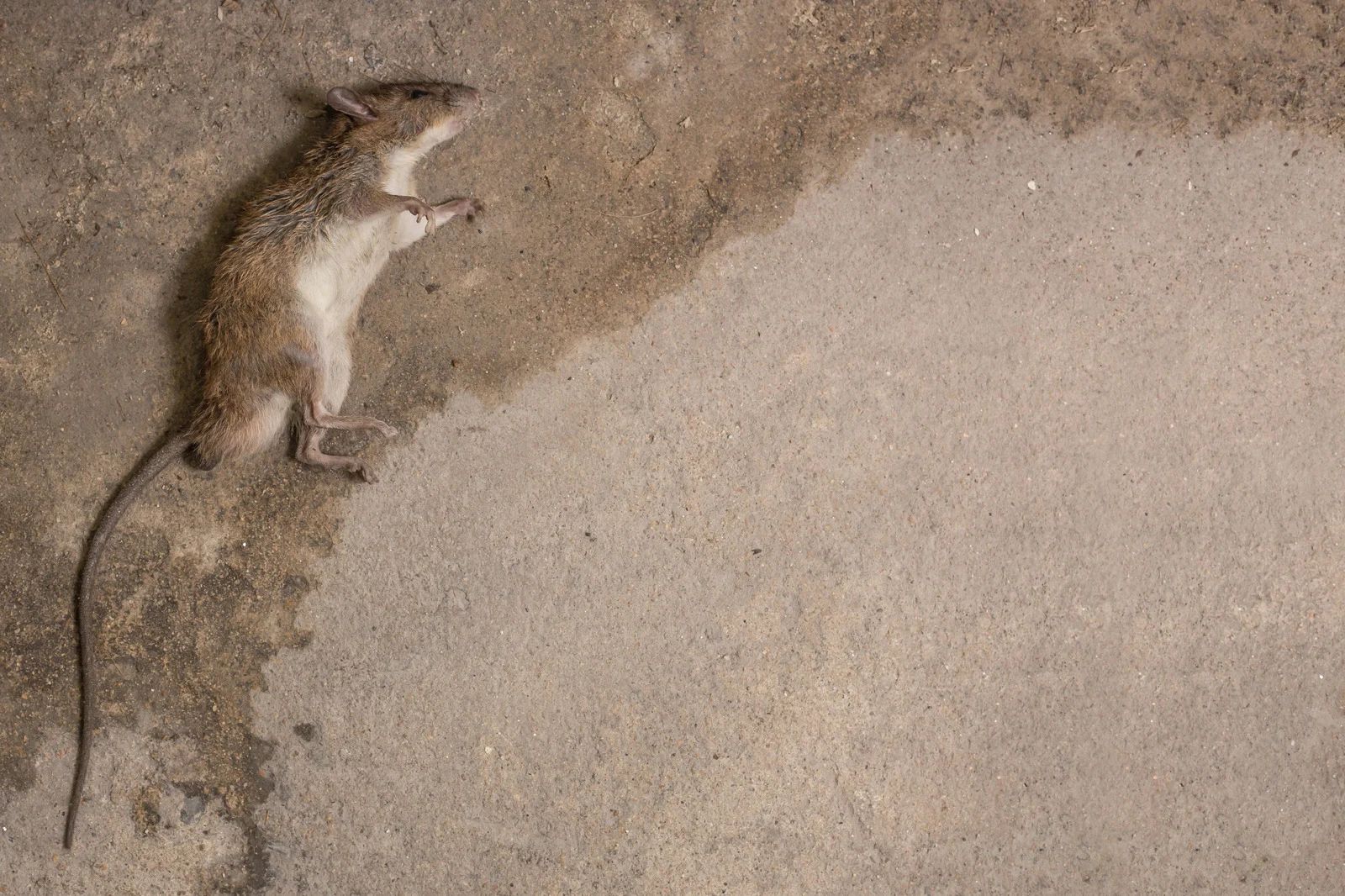
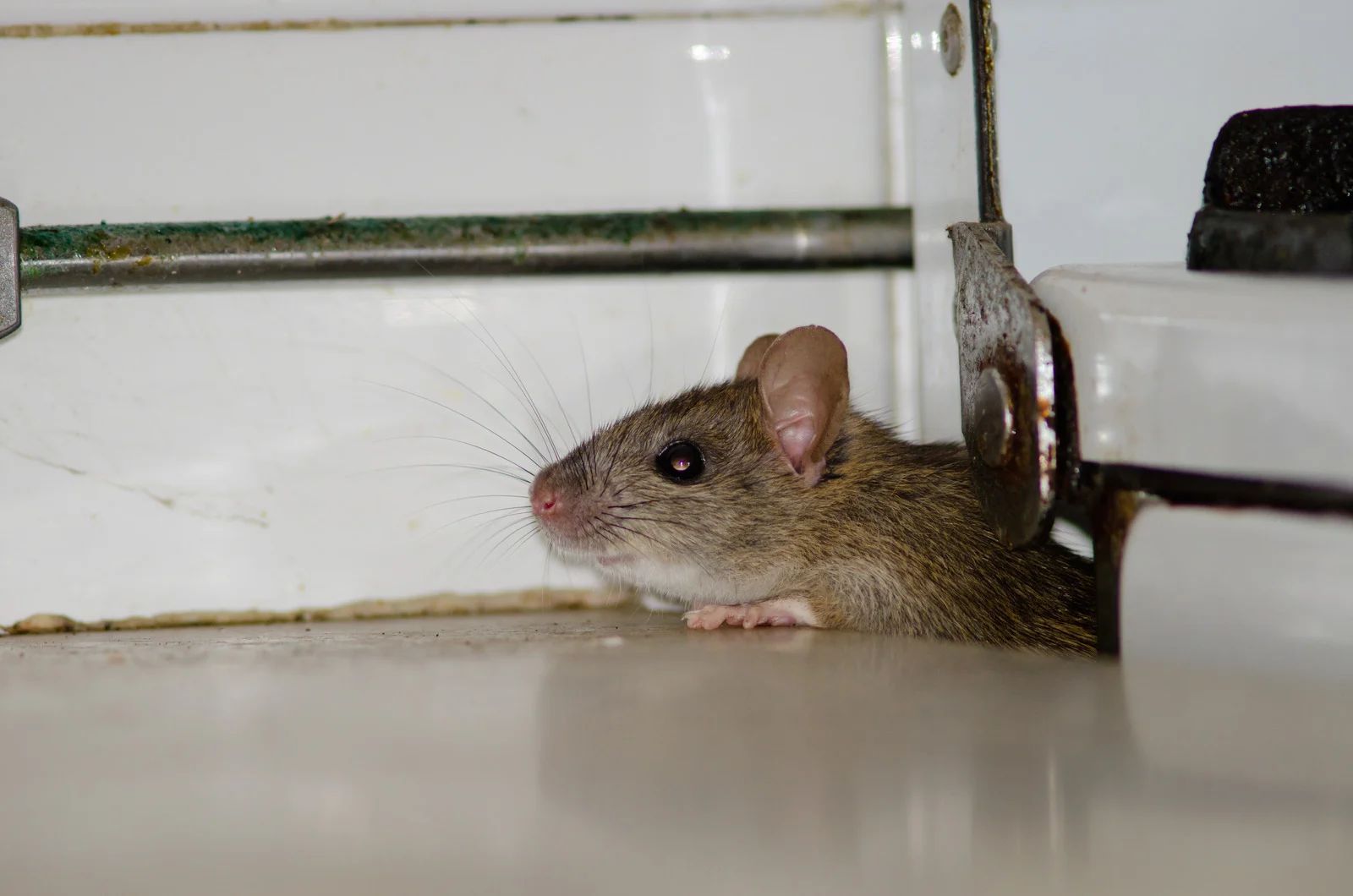
Rodents such as house mice, Norway rats, and roof rats are the most frequent invaders of residential spaces. Mice are agile and can squeeze through openings as small as a quarter-inch, making them exceptionally difficult to detect until an infestation has established. Norway rats, typically found in basements, are burrowing rodents that can damage foundations and plumbing systems. Roof rats prefer elevated areas, often nesting in attics and ceiling voids. Recognizing which species is likely to invade your space helps in tailoring preventive strategies.
Why Attics and Basements Are Vulnerable
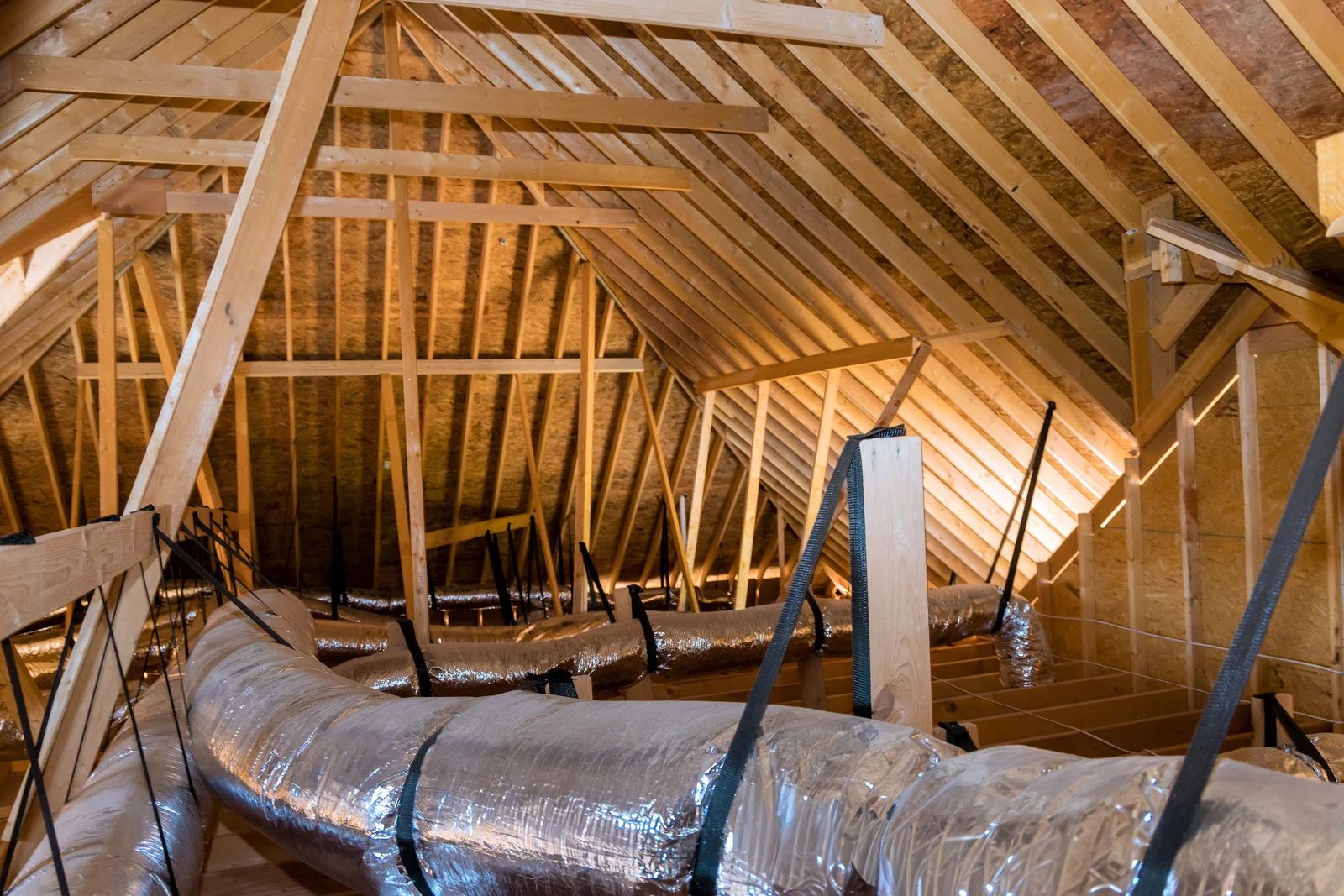
Both attics and basements offer ideal conditions for rodents. Attics are warm, dry, and often filled with insulation and stored items, providing ample nesting materials. Basements are cool, dark, and often connected to exterior walls or drainage systems, creating easy access points. Additionally, cluttered storage, open food containers, and gaps around utility lines make these areas inviting.
Risks of Rodent Infestation
Rodent presence poses several risks:
- Property Damage: Gnawed wires, insulation, and wooden structures can lead to fire hazards and structural weaknesses.
- Health Hazards: Rodents carry pathogens such as hantavirus, leptospirosis, and salmonella, which can contaminate surfaces and food supplies.
- Financial Costs: Repairing damage, replacing insulation, and addressing contamination can be expensive.
Understanding these risks is the first step in effective rodent-proofing. Awareness allows homeowners to prioritize high-risk areas and implement preventive measures that are both strategic and long-lasting.
2. Identifying Entry Points
Conduct a Thorough Inspection
A critical step in rodent-proofing is identifying where rodents may enter. Begin by examining both the exterior and interior of the home. Common entry points include:
- Gaps around pipes, vents, and electrical lines
- Cracks in foundations or walls
- Unsealed chimneys or attic vents
- Loose siding, roof gaps, or damaged vents
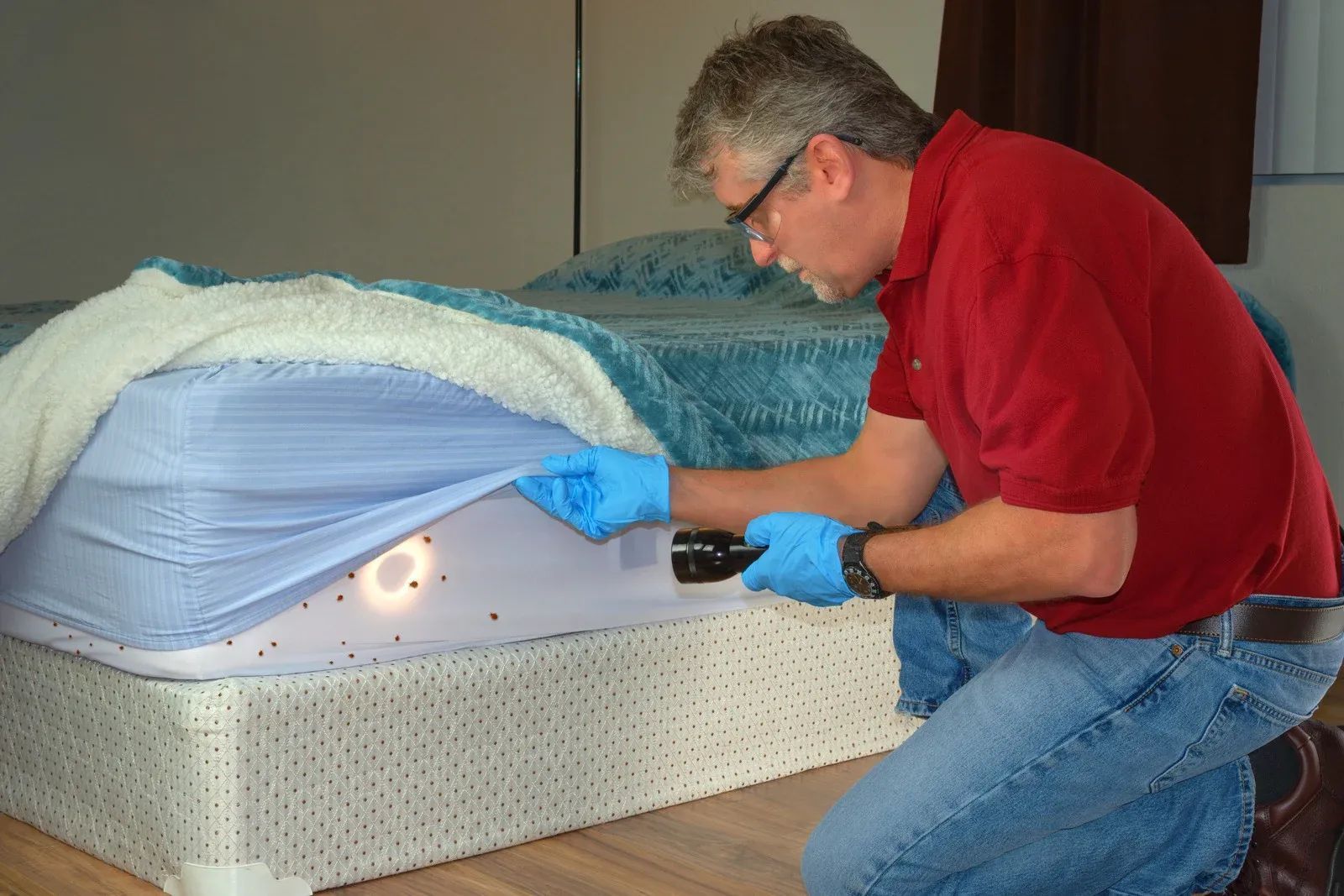
Use a flashlight to inspect dark corners, basements, crawl spaces, and attic eaves. Pay attention to areas near food storage and potential water sources.
Signs of Rodent Activity
Indicators of entry include:
- Droppings along walls, in corners, and near food sources
- Gnaw marks on wood, plastic, or wiring
- Rustling sounds at night or in quiet spaces
- Nests made from shredded paper, fabric, or insulation
Documenting these signs helps pinpoint active entry points and prioritize intervention areas.
Sealing and Blocking Techniques
Once identified, sealing entry points is crucial. Effective methods include:
- Steel Wool and Caulking: Fill small holes with steel wool, then seal with caulk to prevent gnawing.
- Hardware Cloth or Metal Flashing: Cover vents, chimneys, and larger openings with durable metal screens.
- Foam Sealant: Use for gaps around pipes and utility lines, ensuring it is rodent-resistant.
Proactively sealing all potential entryways creates a barrier that reduces the likelihood of infestations and sets the foundation for long-term rodent control.
3. Proper Storage and Sanitation Practices
Declutter Your Attic and Basement
Rodent-Proof Storage Solutions
- Plastic Bins with Tight-Fitting Lids: Protect stored items from rodent access.
- Metal or Heavy-Duty Containers: For high-risk items, such as pet food or pantry supplies, metal bins offer additional security.
- Elevated Storage: Keep items off the floor to reduce rodent pathways and improve airflow, discouraging nesting.
Sanitation Tips
Maintaining cleanliness is critical in rodent prevention:
- Wipe up crumbs and spills immediately.
- Avoid leaving pet food out overnight.
- Regularly inspect for signs of rodent activity.
Good sanitation reduces attractants and makes it less likely rodents will attempt to establish a presence in attics or basements. Combined with proper storage, it creates a safer, more secure environment for your home.
4. Environmental and Structural Modifications
Landscaping and Exterior Maintenance
Rodents often exploit vegetation and outdoor conditions to gain access to homes. Consider:
- Trimming Overhanging Branches: Roof rats often use tree branches to enter attics.
- Clearing Debris: Remove piles of wood, leaves, and trash near foundations.
- Maintaining Proper Drainage: Ensure water does not pool near the home, reducing basement moisture that attracts rodents.
Installing Barriers
Physical barriers add an extra layer of defense:
- Door Sweeps and Thresholds: Seal gaps beneath doors leading to basements or attics.
- Screens on Vents and Chimneys: Prevent rodents from entering through airflow systems.
- Wire Mesh Around Foundation Vents: Discourage burrowing rodents from accessing crawl spaces.
Structural Repairs
Addressing weak points in the home’s structure is crucial:
- Repair cracks in foundations or walls.
- Replace damaged siding, shingles, or soffits.
- Ensure attic insulation is intact and not accessible from the exterior.
These environmental and structural modifications create long-term solutions that reduce the likelihood of reinfestation while maintaining the integrity and safety of the home.
5. Monitoring and Ongoing Maintenance
Regular Inspections
Even after implementing rodent-proofing measures, ongoing monitoring is essential. Schedule periodic inspections, especially during seasonal changes, to identify new vulnerabilities. Focus on attics and basements, looking for droppings, gnaw marks, and signs of nesting.
Using Traps and Deterrents
- Snap Traps and Electronic Traps: Effective for catching rodents in basements or attics without toxic chemicals.
- Ultrasonic Repellents: While results vary, these devices can supplement other preventive measures.
- Rodent Bait Stations: Used cautiously, these can reduce population if monitoring indicates activity.
Record Keeping and Maintenance
Documenting inspections, repairs, and rodent sightings provides valuable insight into trends and recurring issues. Replace or repair damaged screens, seals, or barriers promptly. By maintaining vigilance, homeowners can address problems before they escalate into full infestations.
6. Expert Tips and Best Practices
Professional Assessment
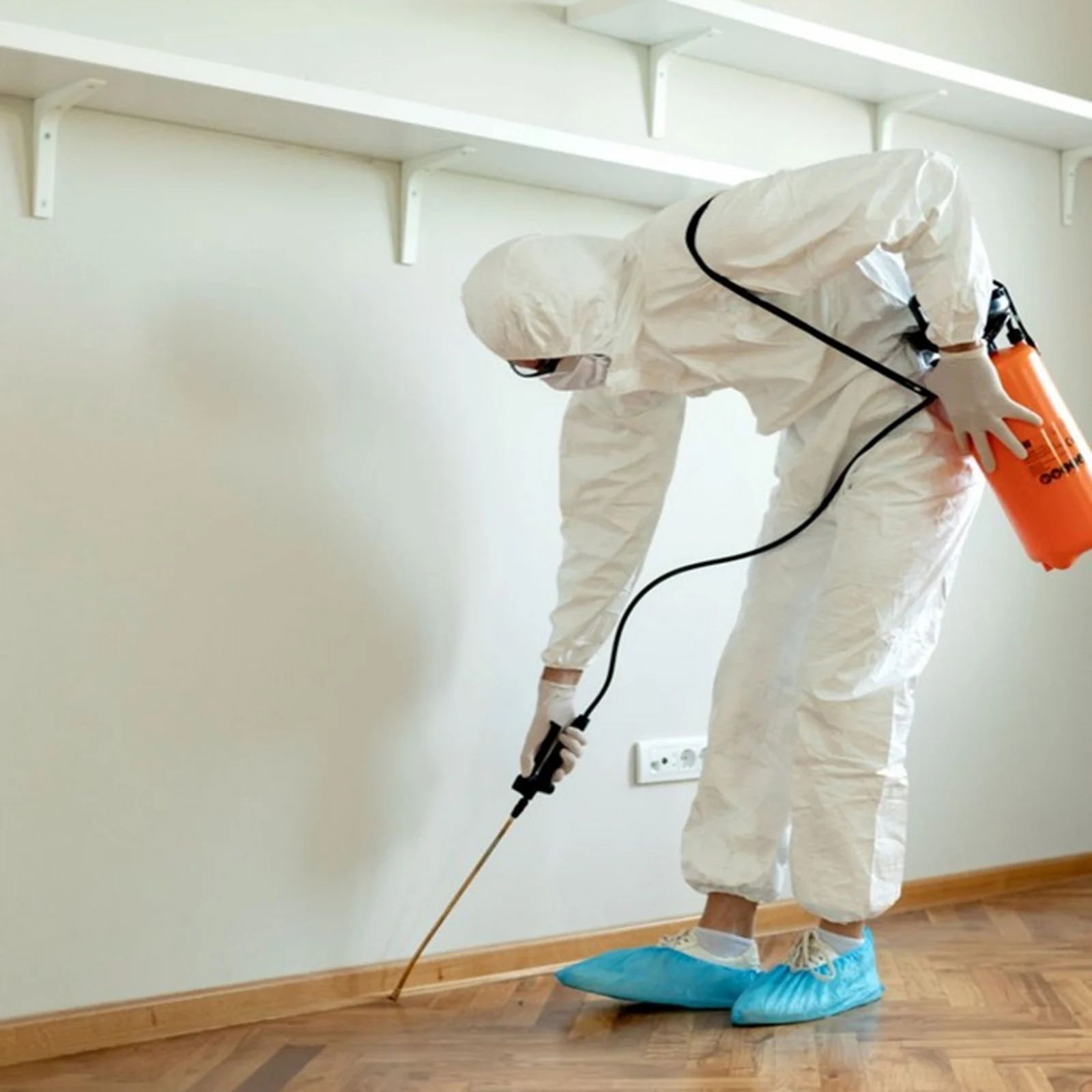
Even with thorough DIY efforts, professional inspections offer an added layer of protection. Pest control experts can identify hidden entry points, recommend specialized sealing materials, and provide solutions tailored to specific rodent species.
Seasonal Considerations
Rodent activity often increases in colder months when they seek warmth and shelter. Preparing attics and basements ahead of winter can significantly reduce the risk of infestation. Inspect exterior gaps, tighten storage, and reinforce barriers during fall to prevent problems before they start.
Combining Multiple Strategies
Rodent-proofing is most effective when multiple tactics are used simultaneously. A combination of sealing, proper storage, environmental modification, and ongoing monitoring ensures comprehensive protection. This multi-layered approach addresses both the symptoms and root causes of rodent intrusion.
Educating Household Members
Ensure everyone in the home understands rodent risks and preventive practices. Prompt reporting of droppings, spills, or gnawing, combined with adherence to storage and sanitation guidelines, amplifies the effectiveness of your rodent-proofing plan.
Comprehensive Rodent Protection Plans by Cowboy Experts
Rodent-proofing attics and basements is an essential step in protecting both property and health. By understanding rodent behavior, identifying entry points, and implementing effective storage, sanitation, and structural modifications, homeowners can significantly reduce the risk of infestations. Regular monitoring, seasonal preparedness, and a combination of DIY and professional strategies ensure long-term results, safeguarding your home against these persistent pests.
At COWBOY PEST CONTROL, based in Atascosa, Texas, we have spent the past 4
years helping homeowners implement reliable rodent-proofing solutions. Our team of trained experts offers comprehensive inspections, tailored prevention strategies, and ongoing support to keep attics and basements safe from rodents. With a focus on precision, safety, and efficiency, we pride ourselves on delivering results that homeowners can trust. Whether addressing active infestations or reinforcing preventive measures, COWBOY PEST CONTROL
is committed to protecting your property and providing peace of mind, ensuring that your home remains rodent-free throughout the year.