
What Rodent Droppings Are Telling You (And Which Species You're Dealing With
Rodent infestations rarely begin with a dramatic sighting. Instead, the earliest and most telling signs are subtle—often overlooked until the problem escalates. Among these indicators, rodent droppings provide some of the most valuable clues. Far from being just unpleasant debris, droppings reveal critical information about the type of rodent present, the severity of the infestation, and the areas of highest activity. Understanding what these signs mean allows property owners to act quickly, minimize damage, and protect health.
In pest control, accurate identification is the foundation of effective treatment. Different rodent species behave differently, nest in distinct locations, and require targeted control strategies. Misidentifying the species can lead to wasted time, ineffective solutions, and recurring infestations. By learning how to interpret the size, shape, color, and distribution of droppings, we gain a practical and reliable method for diagnosing rodent activity. This knowledge empowers us to respond strategically rather than reactively, making rodent management more efficient, cost-effective, and long-lasting in both residential and commercial environments.
1. Why Rodent Droppings Matter in Pest Identification
Understanding Droppings as Biological Evidence
Rodent droppings are more than just waste—they are biological markers that provide insight into species, diet, and movement patterns within a property. Each rodent species produces droppings with distinct characteristics, allowing us to differentiate between infestations without direct visual confirmation or sightings. This is especially valuable because rodents are nocturnal and tend to remain hidden during daytime hours.
Droppings also indicate how recently rodents have been active within a specific area. Fresh droppings are typically dark, moist, and soft, while older droppings appear dry, brittle, and lighter in color over time. This distinction helps us determine whether an infestation is ongoing, worsening, or has already subsided significantly.
Health and Safety Implications
Rodent droppings pose serious health risks in both residential and commercial environments. They can carry harmful pathogens that contaminate surfaces, food supplies, and overall indoor air quality. Diseases can spread through direct contact, inhalation of contaminated dust particles, or secondary contamination through handling. Identifying droppings early reduces exposure risks and supports a safer, healthier indoor environment for occupants.
Real-World Scenario
In a commercial kitchen, small, rice-sized droppings near food storage areas may clearly indicate a mouse infestation developing nearby. Without proper identification and timely intervention, ineffective control measures may allow contamination to continue, leading to regulatory violations, financial losses, and serious reputational damage.
2. Identifying Common Rodent Species Through Droppings
Mouse Droppings
Mouse droppings are small, typically about 3–6 mm in length, and resemble grains of rice with pointed ends on both sides. These droppings are often found scattered in multiple locations because mice are naturally active explorers constantly searching for food.
Mice tend to leave droppings along walls, inside cabinets, behind appliances, and near easily accessible food sources. A high number of droppings in concentrated areas strongly suggests heavy activity levels and potential nesting sites nearby.
Rat Droppings
Rat droppings are significantly larger and vary depending on the species present within the structure. Roof rats produce droppings with pointed ends, while Norway rats leave blunt-ended droppings that are more capsule-shaped. These droppings are usually found in clusters and are often concentrated in specific, consistent areas.
Rats are more cautious than mice and tend to follow consistent travel paths repeatedly. Droppings are commonly located along walls, in basements, crawl spaces, or near known entry points and structural gaps.
Squirrel and Other Rodent Droppings
Squirrel droppings are similar in size to rat droppings but tend to be more rounded and slightly lighter in color. They are often found in attics, rooflines, or near visible entry holes in exterior structures. Identifying these correctly prevents misclassification and ensures proper removal strategies are implemented effectively.
Key Differences Summary
Size: Mice (small), rats (medium to large), squirrels (large and rounded in shape)
Shape: Pointed vs. blunt ends depending on species and feeding habits
Distribution: Scattered vs. clustered patterns based on rodent behavior and movement
Understanding these differences allows us to narrow down the species quickly, accurately, and with greater confidence during inspections.
3. What Droppings Reveal About Infestation Severity
Quantity and Concentration
Location Patterns
Where droppings are found can reveal nesting sites, feeding zones, and common travel routes used by rodents. For example:
Droppings in kitchens indicate active food access points and feeding behavior
Droppings in attics suggest nesting areas and long-term habitation
Droppings along baseboards highlight consistent movement paths and travel routes
Mapping these locations carefully helps us develop targeted, efficient, and highly effective control strategies for elimination.
Fresh vs. Old Droppings
Fresh droppings confirm active infestation and ongoing rodent presence within the environment. If new droppings continue to appear after cleaning efforts, it clearly indicates that rodents are still present and control measures need immediate adjustment.
Example Insight
In a warehouse setting, repeated accumulation of large droppings near storage racks may strongly indicate a rat infestation with established nesting nearby. Ignoring this pattern can lead to structural damage, inventory contamination, and significant product loss over time.
4. Best Practices for Inspecting and Handling Rodent Droppings
Safe Inspection Techniques
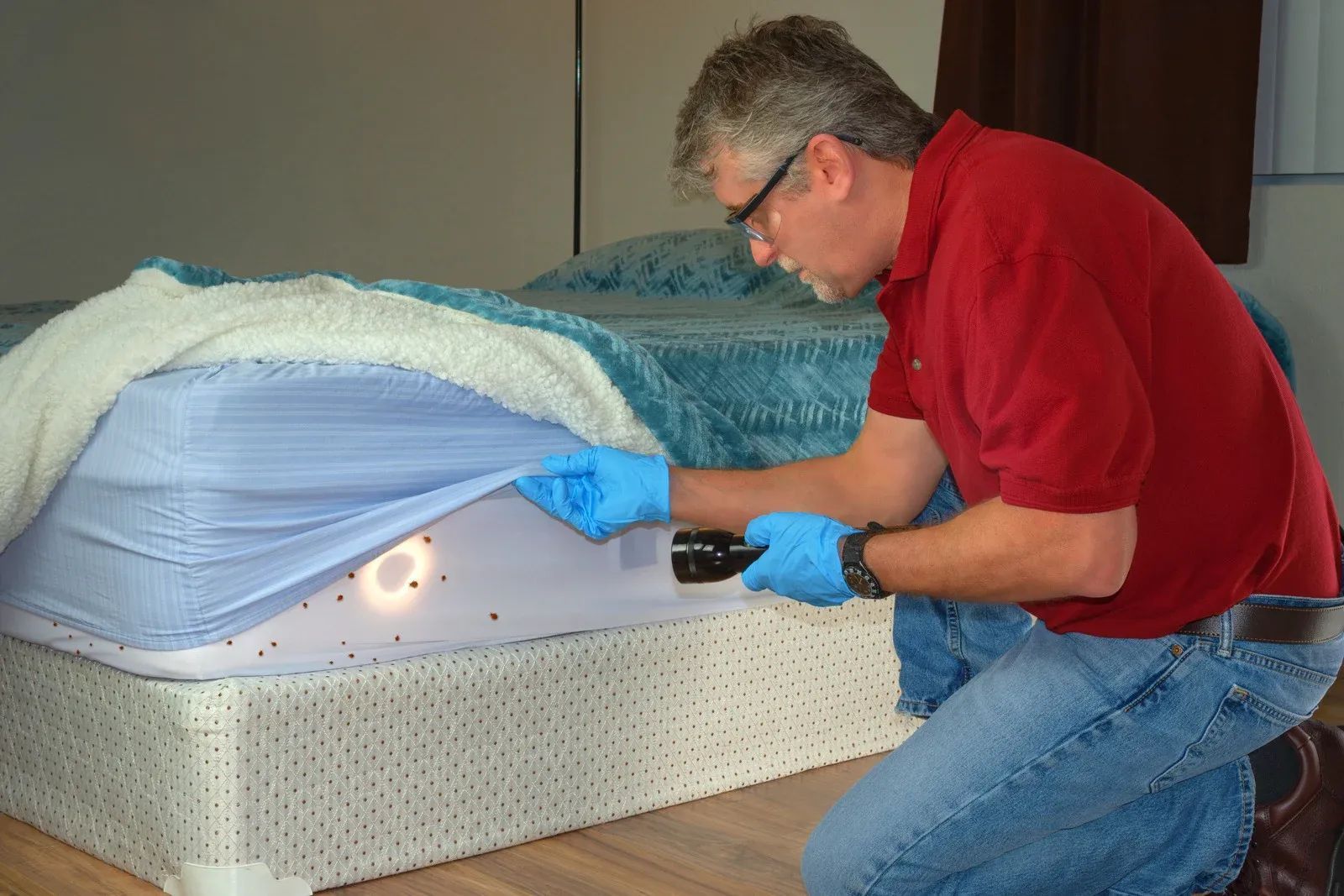
Proper inspection requires caution, attention to detail, and adherence to safety protocols. Direct contact with droppings should always be avoided to reduce potential health risks and contamination exposure. Protective gloves and masks are essential when examining affected areas during inspections.
Using a flashlight helps identify droppings in hidden or low-light spaces such as behind appliances, inside cabinets, or within crawl spaces and attics.
Cleaning and Sanitization
Droppings should never be swept or vacuumed dry, as this can release harmful particles into the surrounding air environment. Instead, we should:
Lightly spray droppings with an appropriate disinfectant solution
Allow sufficient time for the solution to neutralize harmful pathogens effectively
Wipe and dispose of waste safely using sealed bags and proper disposal methods
Thorough sanitization of affected surfaces prevents lingering contamination and ensures a cleaner, safer environment overall.
Preventing Recurrence
Inspection should always be followed by preventive measures, including sealing entry points, removing accessible food sources, and maintaining consistent cleanliness standards. Without these essential steps, droppings will reappear as rodents return and re-establish activity.
5. Challenges in Dropping-Based Identification
Overlapping Characteristics
Some rodent droppings may appear similar, especially when size variations overlap between different species. For example, small rat droppings may closely resemble larger mouse droppings, creating confusion during identification. Misinterpretation can lead to incorrect treatment approaches and ineffective pest control outcomes.
Environmental Factors
Humidity, temperature, and time can significantly alter the appearance and texture of droppings. Fresh droppings may dry quickly in warm environments, making them harder to classify accurately during inspections.
Mixed Infestations
In some cases, multiple rodent species may be present simultaneously within the same property. This creates a complex pattern of droppings that requires careful analysis, attention to detail, and professional-level expertise.
Expert Approach
To overcome these challenges, we combine droppings analysis with other signs such as gnaw marks, tracks, grease marks, and nesting materials. This comprehensive approach ensures accurate identification and more effective, long-lasting control solutions.
6. Turning Droppings Insight Into Effective Rodent Control
Targeted Treatment Strategies
Once the species is identified, control methods can be tailored accordingly for maximum effectiveness. Mice require different baiting, exclusion, and trapping strategies compared to rats. Understanding behavior patterns significantly enhances the effectiveness of these targeted methods.
Monitoring and Follow-Up
Droppings serve as a reliable monitoring tool even after treatment begins. A noticeable reduction in droppings indicates progress, while continued presence signals the need for adjustments in strategy.
Long-Term Prevention
Effective rodent control goes beyond removal and immediate elimination efforts. It involves creating an environment that discourages re-entry and long-term habitation. This includes:
Sealing structural gaps and potential entry points thoroughly
Proper waste management and secure food storage practices
Regular inspections to detect early signs of recurring activity
Real-World Benefit
In residential settings, early identification through droppings can prevent costly repairs caused by gnawing, nesting, and insulation damage. In commercial spaces, it protects regulatory compliance, brand reputation, and overall operational continuity effectively.
Trusted Experts Delivering Reliable Rodent Control Solutions
When it comes to identifying and managing rodent infestations, experience and precision make all the difference. At COWBOY PEST CONTROL in Atascosa, Texas, we bring 4 years of hands-on expertise in detecting, analyzing, and resolving rodent issues with confidence and accuracy. Our approach is rooted in understanding the subtle signs—like droppings—that others may overlook, allowing us to act quickly and effectively before problems escalate.
We prioritize thorough inspections, safe handling practices, and targeted treatment strategies that align with the specific rodent species present. By combining proven techniques with a commitment to detail, we ensure that every infestation is addressed at its source, not just temporarily controlled. Our process emphasizes long-term prevention, helping property owners maintain clean, safe, and rodent-free environments.
We believe in delivering solutions that are not only effective but also reliable and sustainable. With a strong focus on customer trust and consistent results, we stand as a dependable partner in
rodent control. When accuracy matters and results count, we provide the expertise needed to protect both property and peace of mind.