Why Poison Bait Alone Fails: The Dead Rat in Your Wall Problem

May 9, 2026

Rodent infestations remain one of the most persistent and misunderstood problems in residential and commercial properties. Many property owners turn to poison bait as a quick and cost-effective solution, expecting fast elimination without ongoing effort. While baiting can reduce rodent populations temporarily, it often creates a secondary issue that is far more unpleasant and difficult to resolve: rodents dying inside walls, ceilings, and other inaccessible areas. This outcome not only fails to fully address the infestation but introduces new health, odor, and sanitation concerns. Additionally, it can attract secondary pests that worsen the overall hygiene situation inside the property.


Understanding why poison bait alone fails is critical for anyone seeking long-term pest control. The “dead rat in your wall” problem is not just an inconvenience; it is a predictable consequence of incomplete pest management strategies. Without proper planning, monitoring, and exclusion methods, baiting can worsen conditions rather than improve them. This blog explores the limitations of poison-based control, the risks associated with improper use, and the importance of comprehensive, professional pest management approaches designed to eliminate rodents effectively and prevent recurrence. It also highlights how preventive measures play a key role in avoiding repeated infestations over time.

1. The Limitations of Poison Bait in Rodent Control

1.1 How Poison Bait Works

Poison bait, or rodenticide, is designed to attract rodents and deliver a lethal dose once consumed. Most modern rodenticides act as anticoagulants, causing internal bleeding over time. This delayed effect is intentional, preventing other rodents from associating the bait with danger. While this mechanism increases consumption rates, it also means rodents can travel significant distances before dying, often spreading contamination across different areas of the structure.

1.2 Why Bait Alone Is Not a Complete Solution

Relying solely on poison bait overlooks the root causes of infestations. Rodents enter properties due to accessible food, water, and shelter. Poison does not address entry points, structural vulnerabilities, or environmental conditions. As a result, even if a portion of the population is eliminated, new rodents can quickly replace them, leading to continuous infestation cycles.


Additionally, bait effectiveness depends on placement, quantity, and monitoring. Improper application often leads to underperformance, where rodents avoid bait or consume insufficient doses. Without a strategic plan, poison becomes a temporary fix rather than a long-term solution, ultimately increasing long-term control costs.

2. The “Dead Rat in Your Wall” Problem Explained

  • 2.1 Why Rodents Die in Hidden Spaces

    After consuming poison, rodents typically seek safe, secluded areas to rest as the toxin takes effect. Walls, attics, crawl spaces, and insulation provide ideal hiding spots. Because the poison does not act immediately, rodents often return to these inaccessible areas before dying, making removal extremely difficult without professional tools and inspection methods.

  • 2.2 The Consequences of Hidden Carcasses

    A dead rodent inside a wall creates multiple issues:


    • Persistent Odor: Decomposition produces strong, unpleasant smells that can last for days or weeks, often spreading through ventilation systems and enclosed spaces.
    • Secondary Pest Activity: Flies, beetles, and other insects are attracted to the carcass, leading to additional infestations that can further complicate pest control efforts.
    • Sanitation Risks: Decomposing bodies can harbor bacteria and pathogens, affecting indoor air quality and potentially exposing occupants to harmful contaminants.

    Removing a carcass from within a wall often requires cutting into drywall or accessing tight spaces, increasing repair costs and disruption while prolonging the inconvenience for occupants.

3. Health and Safety Risks of Improper Bait Use

3.2 Secondary Poisoning Concerns

Secondary poisoning occurs when predators or scavengers consume poisoned rodents. This can impact pets, wildlife, and beneficial animals. The ecological impact of widespread rodenticide use is a growing concern in pest management practices, especially in areas with sensitive ecosystems or protected species. Leading to long-term environmental imbalance and biodiversity risks overall.

3.3 Indoor Air Quality and Hygiene Issues

Decomposition gases from hidden carcasses can infiltrate living spaces, creating discomfort and potential respiratory irritation. Combined with increased insect activity, this can compromise hygiene standards in homes and businesses, making environments unpleasant and potentially unsafe for occupants over time. Especially in enclosed or poorly ventilated structural areas significantly.

4. Why Integrated Pest Management (IPM) Is More Effective

  • 4.1 Addressing the Root Causes

    Integrated Pest Management focuses on identifying and eliminating the factors that allow rodents to thrive. This includes sealing entry points, removing food sources, and modifying environmental conditions to reduce the likelihood of infestations returning in the future.

  • 4.2 Combining Multiple Control Methods

    A comprehensive approach may include:


    • Trapping for immediate population reduction and accurate monitoring of rodent activity levels
    • Exclusion techniques to prevent re-entry and secure vulnerable structural areas effectively
    • Sanitation improvements to remove attractants and maintain a less hospitable environment for pests
    • Targeted baiting as a controlled, supplemental measure when necessary within a broader strategy
    • By combining these strategies, IPM reduces reliance on poison and minimizes unintended consequences while improving long-term effectiveness.
  • 4.3 Monitoring and Long-Term Prevention

    Ongoing monitoring ensures that rodent activity is detected early and addressed promptly. Regular inspections and maintenance help maintain a rodent-free environment, preventing recurring infestations and reducing the need for reactive, costly pest control measures.

5. Best Practices for Effective Rodent Control

5.1 Proper Use of Bait

When bait is used, it should be part of a structured plan:


  • Place bait in secure, tamper-resistant stations to prevent accidental exposure
  • Position stations in high-activity areas based on signs of rodent movement
  • Monitor and replenish as needed to maintain effectiveness over time
  • Avoid overuse to reduce risks and limit unnecessary environmental impact


Professional guidance ensures safe and effective application while improving overall control outcomes.

5.2 Sealing Entry Points

Rodents can enter through openings as small as a quarter inch. Sealing gaps around doors, windows, pipes, and vents is essential. Durable materials such as steel mesh and sealants provide long-lasting protection against repeated intrusion attempts. This ensures long-term structural protection and safety for occupants.

5.3 Maintaining Clean Environments

Reducing food and water sources is critical. Store food in sealed containers, manage waste properly, and eliminate standing water. Clean environments are less attractive to rodents and significantly reduce the likelihood of infestation development. Consistently over time in all environments and conditions.

5.4 Using Traps Strategically

Traps offer immediate results and allow for controlled removal of rodents. Unlike poison, traps eliminate the risk of hidden carcasses. Proper placement and regular checking are key to effectiveness and ensure accurate tracking of infestation levels. Ensuring early detection and improved control outcomes overall.

6. Real-World Scenarios and Lessons Learned

  • 6.1 Residential Case Example

    A homeowner experiencing a rodent issue placed poison bait throughout the attic. Within days, rodent activity decreased, but a strong odor developed. Multiple rodents had died inside the walls, requiring professional removal and costly repairs. The infestation returned weeks later due to unsealed entry points and untreated structural vulnerabilities. Requiring extensive remediation and repeated professional intervention services needed.

  • 6.2 Commercial Property Challenges

    In commercial settings, improper bait use can disrupt operations. Restaurants and warehouses are particularly vulnerable. A single dead rodent in a wall can lead to odor complaints, health concerns, and reputational damage that affects customer trust and business continuity especially when infestations are left unaddressed promptly by management.

  • 6.3 Key Takeaways

    These scenarios highlight a common pattern: poison bait provides short-term relief but fails to deliver sustainable results. Without addressing underlying issues, infestations persist and complications arise, often leading to higher long-term costs and repeated pest control interventions often compounding financial losses and operational disruptions over time.

Trusted Experts Deliver Reliable Rodent Control Solutions

Poison bait alone is not a reliable solution for rodent control. While it may reduce populations temporarily, it introduces significant risks, including hidden carcasses, persistent odors, secondary infestations, and potential health hazards. The “dead rat in your wall” problem is a direct result of relying on incomplete strategies that fail to address the root causes of infestations. Effective rodent control requires a comprehensive approach that combines exclusion, sanitation, monitoring, and targeted interventions.


A structured, professional method ensures not only the removal of existing rodents but also the prevention of future problems. By focusing on long-term solutions rather than quick fixes, property owners can protect their spaces from recurring infestations and avoid unnecessary complications.


At COWBOY PEST CONTROL in Atascosa, Texas, we bring 4 years of hands-on experience delivering practical, results-driven pest management solutions. We focus on identifying entry points, eliminating attractants, and implementing safe, effective control methods tailored to each property. Our approach prioritizes long-term prevention over temporary fixes, ensuring that rodent issues are resolved completely. With a commitment to professionalism and proven strategies, we provide reliable service that addresses both immediate concerns and future risks.

April 17, 2026
Rodent infestations rarely begin with a dramatic sighting. Instead, the earliest and most telling signs are subtle—often overlooked until the problem escalates. Among these indicators, rodent droppings provide some of the most valuable clues.
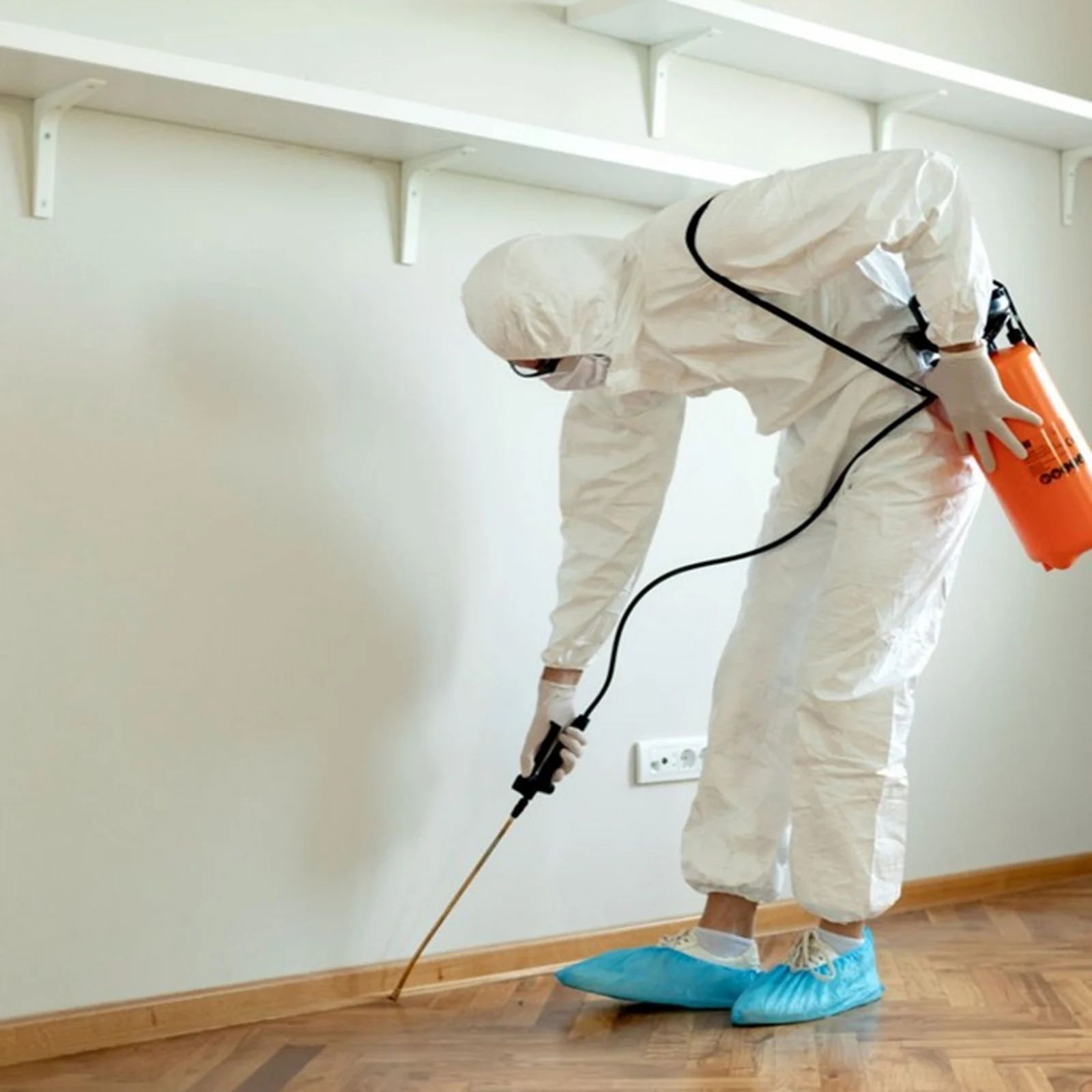
A person in protective white gear and blue shoe covers uses a chemical sprayer along the baseboard of a room.
March 21, 2026
Pest infestations are more than just a nuisance; they can threaten the health, safety, and structural integrity of homes and businesses. From rodents and ants to termites and cockroaches, these intruders are persistent, adaptable, and capable of causing significant damage if left untreated.
Small gray mouse peeking from a dark crevice, with paws visible.
February 16, 2026
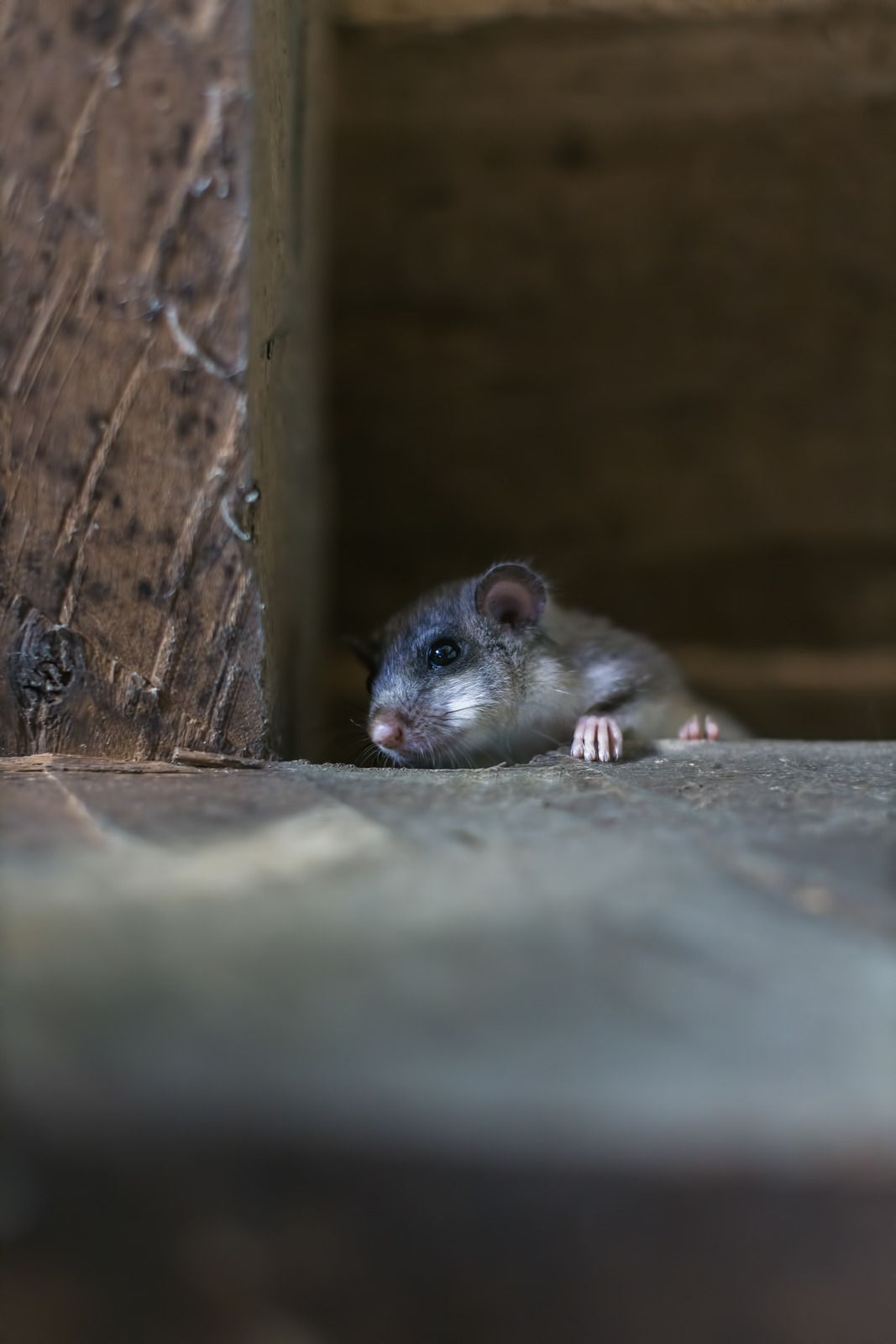
Rodents are more than just an unwelcome nuisance in homes—they pose serious risks to property and health. Attics and basements, with their quiet, undisturbed spaces, are especially attractive to rats, mice, and other rodents seeking shelter, warmth, and access to food.
Man inspecting a mattress with a flashlight, wearing gloves. Bedding in a room.
January 13, 2026
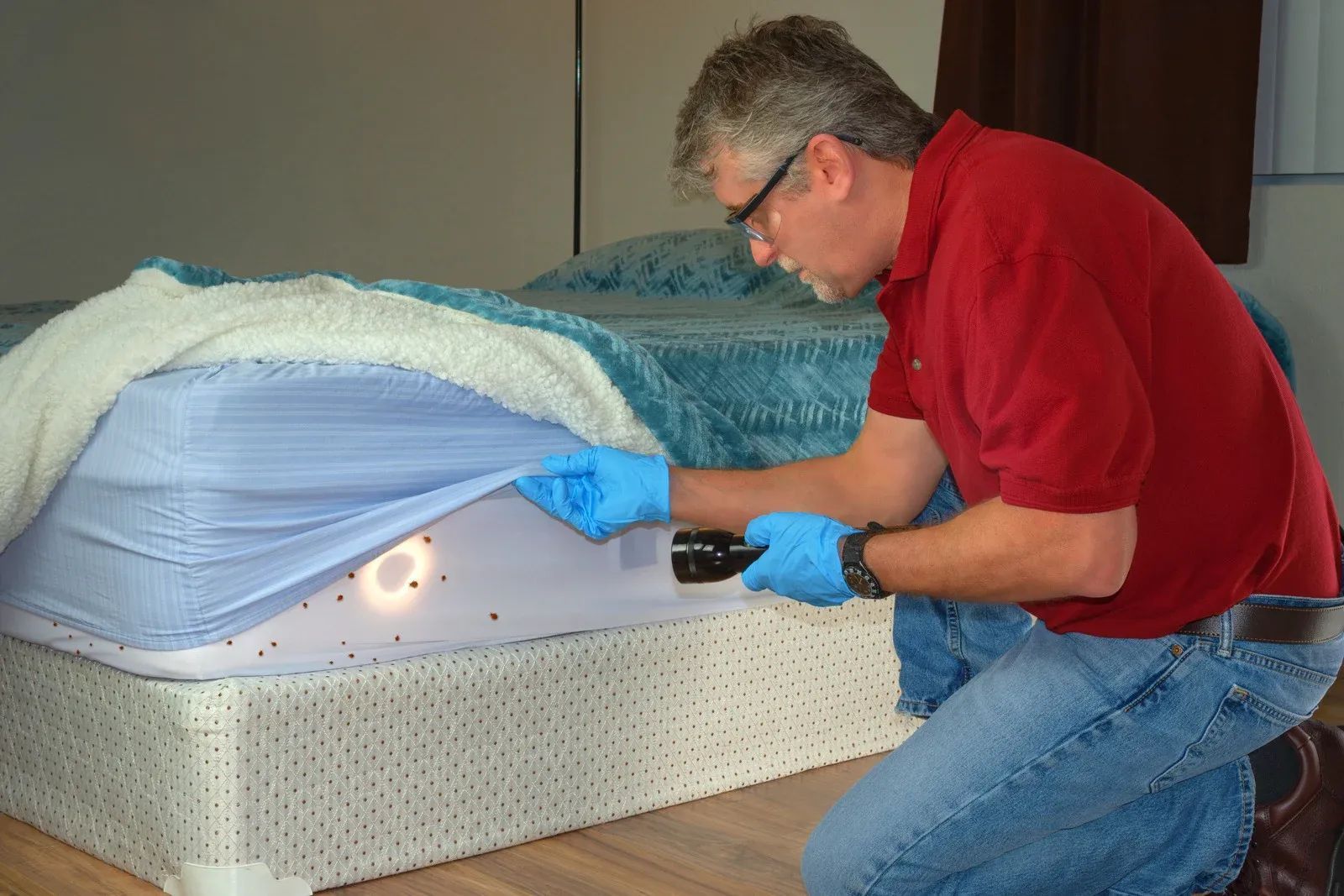
Bed bugs are small, elusive pests that can cause big problems for homeowners. Despite their tiny size, these insects can infest homes rapidly, creating both physical discomfort and emotional stress. Unlike other pests, bed bugs do not transmit diseases,
Termites on wood, some with yellow heads, clustered near a dark, crumbly area.
December 22, 2025
Homeownership is more than just possessing a structure; it represents an investment, a sanctuary, and a symbol of stability. Yet, hidden threats can silently undermine both the safety and value of your property.
Person in protective gear sprays insecticide in a kitchen.
November 19, 2025
Trying to tackle a pest problem yourself might seem like a quick and cost-effective solution, but it often leads to frustration and recurring infestations. While store-bought sprays and traps promise results, they rarely address the root cause of the problem.
Person in protective suit spraying insecticide near a cabinet in a room.
October 15, 2025
As the seasons change, so does the behavior of pests around your home. In a place like Atascosa, Texas, with its fluctuating temperatures and varying rainfall, seasonal shifts significantly influence the movement, breeding, and survival patterns of insects and rodents.
Person in protective suit sprays insecticide near kitchen cabinets.
September 22, 2025
Home maintenance often brings to mind HVAC tune-ups, roof inspections, and yard care. However, general pest control is just as critical to maintaining a safe, healthy, and comfortable living environment. Unwanted pests like ants, roaches, spiders, and wasps can quietly infiltrate your home, damaging structures,
Person in gloves inspects mattress for pests with a flashlight.
August 26, 2025
Bed bugs may be small, but the problems they create are anything but. Often found in bedding, mattresses, and furniture, these pests are expert hiders and quick breeders. Bed bug infestations can spread silently, leaving behind itchy bites, anxiety, and discomfort.
Show More