Scratching in the Walls or Ceiling at Night? What's Likely Living Up There

July 6, 2026

Prevention Practices for Homeowners

Keeping rodents out of utility infrastructure requires ongoing attention rather than a single intervention. Several practices reduce risk and catch problems before they escalate.


Inspect exterior utility penetrations at least twice per year, paying particular attention after any HVAC service, plumbing work, or electrical upgrades where new penetrations may have been created. Check dryer vent louvers seasonally to confirm the flap closes fully and the screen, if present, is intact. Trim vegetation away from rooflines and utility entry points to eliminate the climbing routes that roof rats use to reach elevated access points.


Inside crawl spaces, maintain vapor barrier integrity and check pipe penetrations in the subfloor for gaps. Any opening where a pipe or conduit passes from the crawl space into the floor cavity above should be sealed with rodent-resistant material. Storing any food-related items in the home in sealed containers removes the motivating factor that drives rodents to push harder against access points in the first place.

Scratching in the walls or ceiling that starts after the house goes quiet is most often a rodent. Mice and rats are nocturnal, so nighttime scurrying, gnawing, and scratching that travels from one spot to another point to them, while daytime noise leans toward squirrels or birds. The sound is a warning that something has already found a way inside, is nesting, and is likely gnawing on wood, insulation, and wiring. Reading the timing and location of the noise, along with droppings and gnaw marks, is how a technician identifies what you are dealing with and where it is getting in.


You are lying in bed, the house has finally gone quiet, and then you hear it: a faint scratching overhead, or a scurry running along the top of the wall behind your headboard. You hold still and listen. It stops. A minute later it starts again, this time a few feet over. By morning the house is silent and it is easy to convince yourself you imagined it, until the next night proves you did not. Out here in the Atascosa and San Antonio area, where homes back up to brush, pasture, and open country, that late-night sound is one of the most common reasons people first realize they have company.


The noise itself is unsettling, but it is also useful. What you are hearing, when you hear it, and where it moves are real clues about what is up there. Here is how to read those clues, why the timing matters so much, and what that scratching is usually telling you about a problem that has already moved indoors.

Why the Noise Almost Always Comes at Night

Timing is the single biggest clue you have. Mice and rats are nocturnal, so they stay tucked away and quiet during the day and come alive once the house settles down and the lights go off. That is exactly why you notice them at bedtime and not at noon. Texas A&M AgriLife's wildlife guidance on managing rats and mice puts it plainly: rodent activity increases after dark, which is the best time to listen for them.


That nighttime pattern is your first sorting tool. Scratching, scurrying, and gnawing that show up after the house goes quiet lean heavily toward rodents. Noise that happens mostly in daylight, especially early morning, points somewhere else. Squirrels are diurnal, meaning they are active in the day, so a scratching-in-the-attic sound that fires up at dawn and goes quiet at night is a classic squirrel signature rather than a mouse or rat. Birds nesting in a vent or under the eaves also tend to make their racket during daylight, often with chirping or fluttering mixed in.


So before you do anything else, note the clock. A pest professional will ask you the same question, because whether the sound comes at 2 a.m. or 2 p.m. narrows the list of suspects fast.

Mouse or Rat? What the Difference Means for Your House

Once the timing and sound point to a rodent, the next useful question is which one, because mice and rats behave differently and leave different evidence. Texas A&M AgriLife's identification guidance is helpful here: roof rats seldom burrow and normally nest in double walls and attics, so a nest up high is usually a roof rat, while a nest underground is almost always a Norway rat. That is why so much of the wall-and-ceiling scratching in our area, especially the noise coming from overhead, tends to be roof rats working the attic and the tops of the walls.


Mice tell a different story. According to University of Kentucky entomology guidance, house mice are nocturnal and rarely seen, so the most obvious signs of them are droppings, the sounds of running, gnawing, or squeaking, and damage to stored food or nesting material. Mice also stay close to home. They forage only short distances from the nest, usually not more than 10 to 25 feet, and they prefer to travel right along walls and other edges. That is why mouse noise often stays concentrated in one area of a room rather than roaming the whole house, and it is why a nest and its damage tend to cluster.


The droppings back up the sound. University of Kentucky guidance describes mouse droppings as about an eighth to a half inch long, dark, and pointed at both ends. Rat droppings run noticeably larger. If you climb up to look and find small, dark, pointed pellets scattered along a wall edge, you are likely looking at mice; larger droppings up in the attic point toward rats.

Tip:

Before you call anyone, spend two or three nights being a detective. Note the exact time the noise starts, whether it is up in the ceiling or down in the wall, and whether it stays in one spot or travels. Jot down anything else you find in daylight, like droppings, a smell, or gnaw marks. Handing a technician that pattern is like handing a mechanic a description of exactly when the engine makes the sound; it points the inspection straight at the right pest and the right area.

Why That Scratching Is More Than a Nuisance

It is tempting to write the noise off as annoying but harmless, something to ignore until it goes away on its own. The trouble is that rodents rarely leave on their own, and the sound you are hearing is the sound of active damage. Rodents gnaw compulsively, and that instinct is what puts your home at risk.


University of Kentucky entomology guidance is direct about it: house mice gnaw through electrical wiring, causing fires and the failure of appliances like freezers and clothes dryers. Texas A&M AgriLife's guidance echoes the same danger for both rats and mice, noting they damage and destroy property by chewing wires, which may cause fires, along with gnawing pipes, chewing hoses, and damaging wood, walls, and insulation. So the scratching in your ceiling is not just an animal passing through; it is potentially an animal chewing on the systems that run your house.


There is a nesting side to it too. Rodents shred insulation and other soft material to build nests, and they contaminate the space around them with droppings and urine as they go. What starts as a faint nighttime scratch can quietly become torn-up insulation, fouled attic space, and gnawed wiring above your bedroom, all of it happening in a part of the house you almost never see.

How Rodents Got In, and Why They Stay

None of this happens by accident. Rodents are inside because your home offers what the outdoors, especially during a hot, dry South Texas stretch, does not always provide: shelter, food, and water in one convenient package. And they are remarkably good at getting to it.


University of Kentucky guidance notes that mice can squeeze through openings narrower than the diameter of a dime, which is why sealing matters and why gaps most people would never think twice about become front doors. Cracks in the foundation a quarter inch and larger, gaps under doors, and the openings where utility pipes enter the structure are all fair game. Rats need a bit more room but are just as resourceful, and roof rats climb, so gaps up high along the roofline and eaves matter as much as cracks down low.


Once they are in and settled somewhere warm and undisturbed, with food and water within easy reach, there is little reason for them to leave. They breed quickly, too. University of Kentucky guidance notes that mice are prolific, producing 6 to 10 litters continuously throughout the year, so a couple of quiet scratchers can turn into a real population before you have pinned down where the noise is coming from. That is the core reason a wait-and-see approach so rarely works: the problem is compounding while you wait.

Warning:

Do not assume that one dead mouse in a trap, or a stretch of silence, means the problem is solved. Because rodents breed continuously and nest out of sight, a quiet night often just means they moved to a different part of the wall or ceiling. Sealing a single visible hole while ignoring the rest of the entry points, or setting a couple of traps without finding the nest, tends to knock the noise down briefly and let it come right back. The reliable fix is finding every entry point and the harborage, not silencing the loudest symptom.

What a Professional Inspection Actually Looks For

Because so many different animals can make a scratching sound, and because rodents hide their real activity behind walls and above ceilings, sorting it out takes a proper inspection rather than a guess. A technician works the problem the way you started to: with the timing and location of the noise, plus the physical evidence.


That means looking for the things rodents leave behind. Gnaw marks and small, clean-cut holes in wood, drywall, and wiring point to rodents. Grease and rub marks along walls and baseboards show up where rats and mice travel the same paths over and over, their fur leaving a smudge. Nests of shredded insulation, paper, or fabric mark where they are living. Droppings, sized and shaped to the species, confirm what and roughly how many. And a careful check of the exterior, from foundation cracks and gaps around pipes down low to gaps along the roofline up high, finds the entry points that let them in.


From there, the plan follows the findings. Texas A&M AgriLife's guidance points to rodent-proofing as the most permanent form of control, sealing openings with rodent-resistant materials so the animals cannot get back in, paired with trapping and monitoring to clear what is already inside. It is worth knowing that some companies, this client included, identify and recommend the exclusion points for sealing as part of the service rather than performing the structural sealing themselves. The point is that the inspection turns a mystery noise into a specific answer: which pest, where it is getting in, and where it is living.

Frequently Asked Questions

  • Why do I only hear the scratching at night?

    Rodents like mice and rats are nocturnal, becoming active after dark when the house is quiet. Texas A&M AgriLife notes increased nighttime activity, so scratching at bedtime is typical rodent behavior rather than daytime wildlife movement patterns.

  • How can I tell if it is mice or rats up there?

    Rats are larger, leave bigger droppings, and often nest higher in attics or walls, while mice are smaller with pointed droppings. University of Kentucky guidance confirms size, location, and droppings help distinguish species along with gnaw patterns and sound.

  • Could the scratching be something other than a rodent?

    Yes. Squirrels are active in daylight and often cause morning or daytime noise, while birds or bats may create fluttering or scratching sounds. Timing and behavior patterns help distinguish wildlife, which professionals confirm through inspection and physical evidence.

  • Is scratching in the walls actually dangerous?

    Yes. Rodents can chew electrical wiring, increasing fire risk, and damage insulation, wood, and plumbing. They also contaminate areas with droppings and urine. University of Kentucky and Texas A&M AgriLife both highlight these risks in residential infestations.

  • The noise stopped on its own. Does that mean they are gone?

    Not necessarily. Rodents often relocate within walls or ceilings, making activity seem gone when it has simply shifted. Mice reproduce rapidly, so silence can be temporary. Absence of noise does not confirm that the infestation has been resolved.

  • How are they getting into my house in the first place?

    Rodents enter through extremely small openings, including gaps under doors, cracks in foundations, and utility penetrations. Roof rats also access roofs and eaves. University of Kentucky notes mice can fit through dime-sized openings, making sealing entry points essential prevention.

Getting the Noise Out of Your Ceiling for Good

That scratching overhead is not random and it is not harmless. It is a nocturnal animal, most often a rodent, that has already found a way inside, is nesting somewhere you cannot see, and is very likely gnawing on the wood, insulation, and wiring that keep your home running. The timing, the type of sound, and the evidence it leaves behind all point toward what it is and where it lives, but reading those clues correctly and finding every way in takes a trained eye. The longer it goes, the more the population grows and the more damage adds up above your head.


Stop lying awake wondering what is up there and get a real answer. Cowboy Pest Control inspects the attic, walls, and exterior to identify whether you are hearing mice, roof rats, or something else, reading droppings, gnaw marks, and grease trails to pinpoint entry points and nesting spots. With 4 years of experience, they serve homeowners in Atascosa, Texas, building a clear plan to remove what is inside and recommend exclusion work to keep it out. If the scratching has cost you a few nights of sleep already, do not wait for it to multiply. Schedule a rodent inspection — Have the source of the nighttime scratching identified and a clear plan built before the population and the damage grow. Cowboy Pest Control finds what is up there, where it is getting in, and how to keep it out.

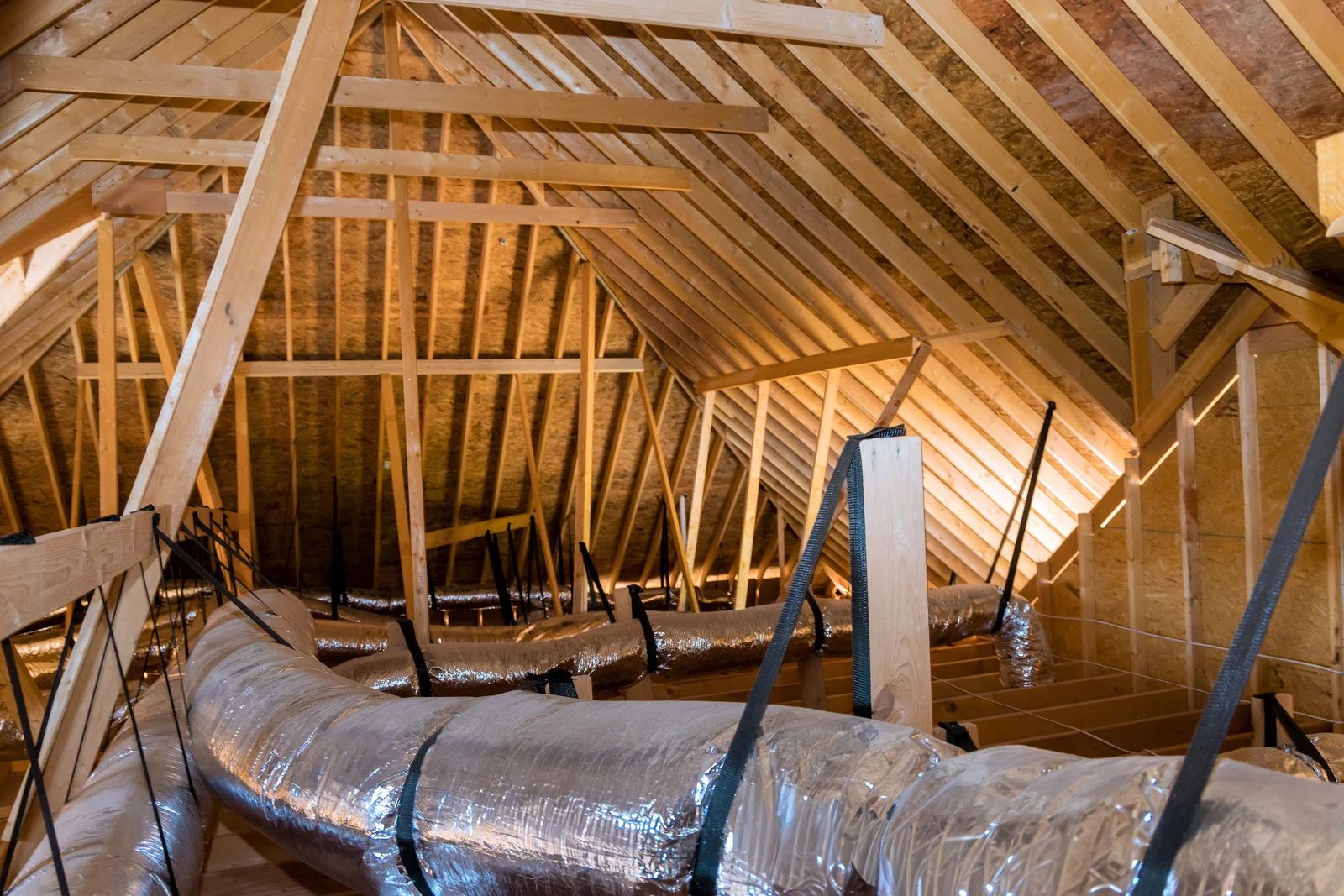
Unfinished attic with exposed wooden rafters and insulated ductwork under construction.
June 15, 2026
Most homeowners think about pest entry points in obvious terms: gaps under doors, broken window screens, or cracks in the foundation. What many people never consider is the elaborate network of pathways already built into the structure of their home.
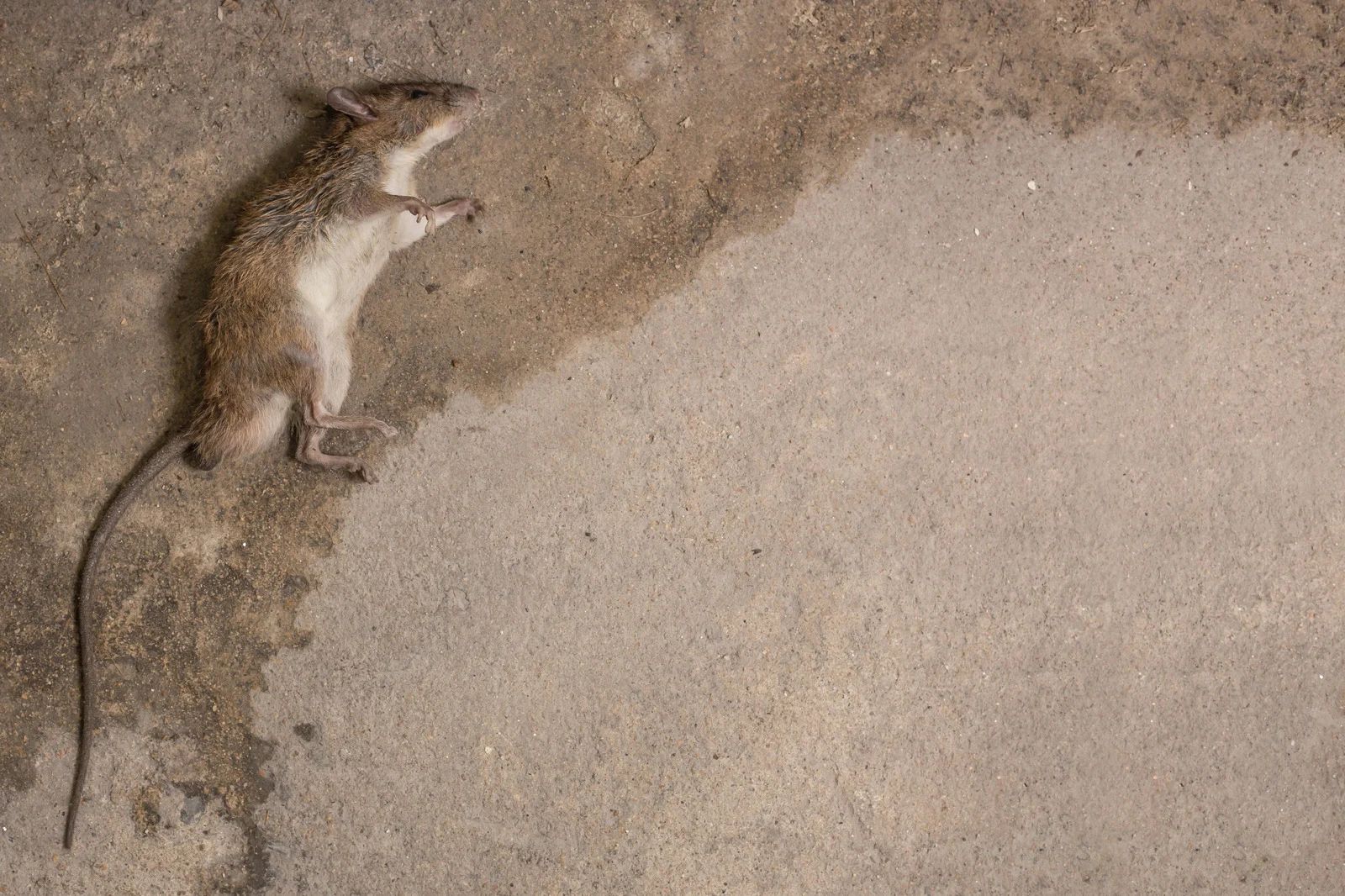
Small brown rodent lying on its back in a sandy area near a dark edge
May 9, 2026
Rodent infestations remain one of the most persistent and misunderstood problems in residential and commercial properties. Many property owners turn to poison bait as a quick and cost-effective solution, expecting fast elimination without ongoing effort.
April 17, 2026
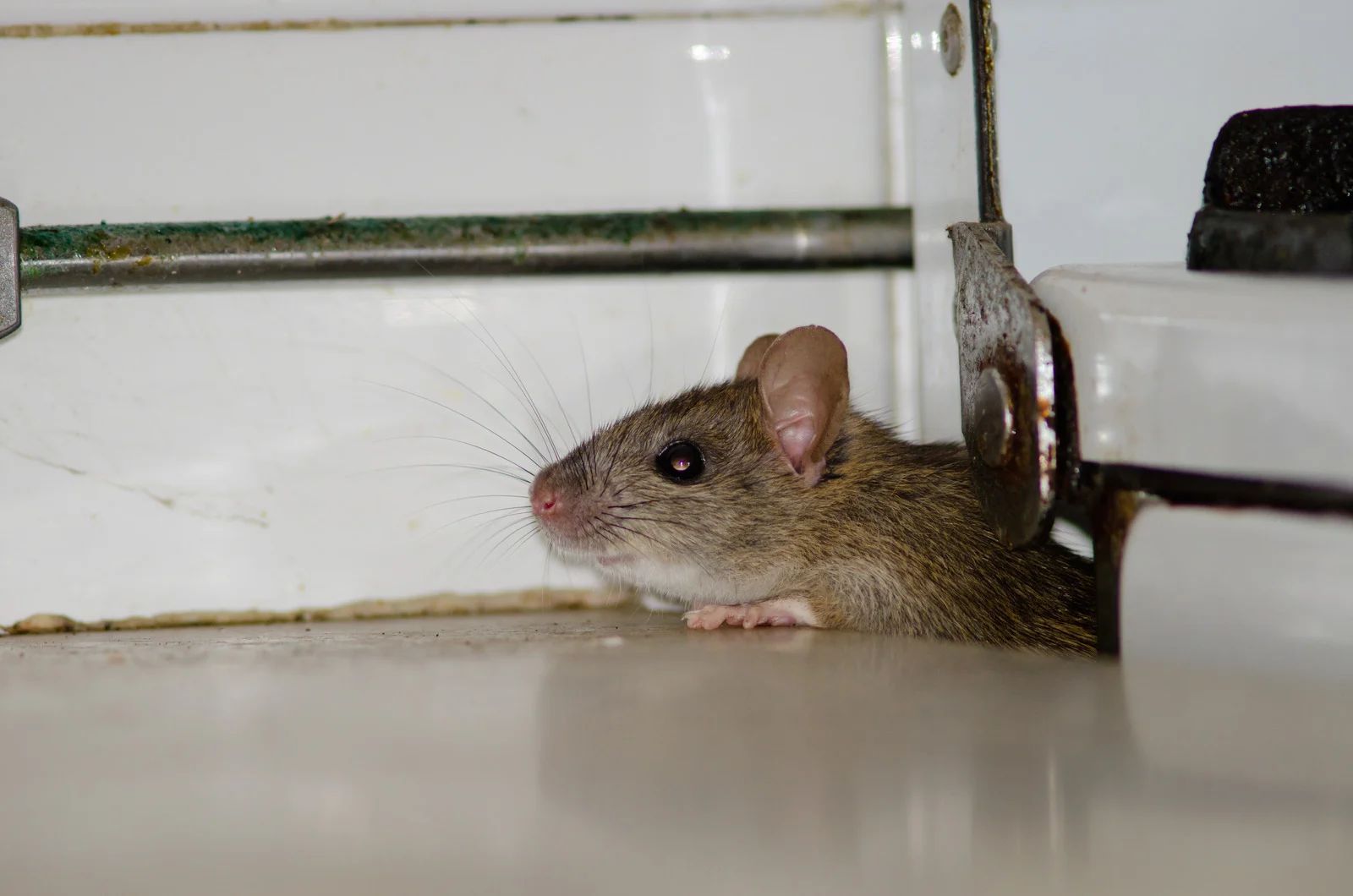
Rodent infestations rarely begin with a dramatic sighting. Instead, the earliest and most telling signs are subtle—often overlooked until the problem escalates. Among these indicators, rodent droppings provide some of the most valuable clues.
A person in protective white gear and blue shoe covers uses a chemical sprayer along the baseboard of a room.
March 21, 2026
Pest infestations are more than just a nuisance; they can threaten the health, safety, and structural integrity of homes and businesses. From rodents and ants to termites and cockroaches, these intruders are persistent, adaptable, and capable of causing significant damage if left untreated.
Small gray mouse peeking from a dark crevice, with paws visible.
February 16, 2026
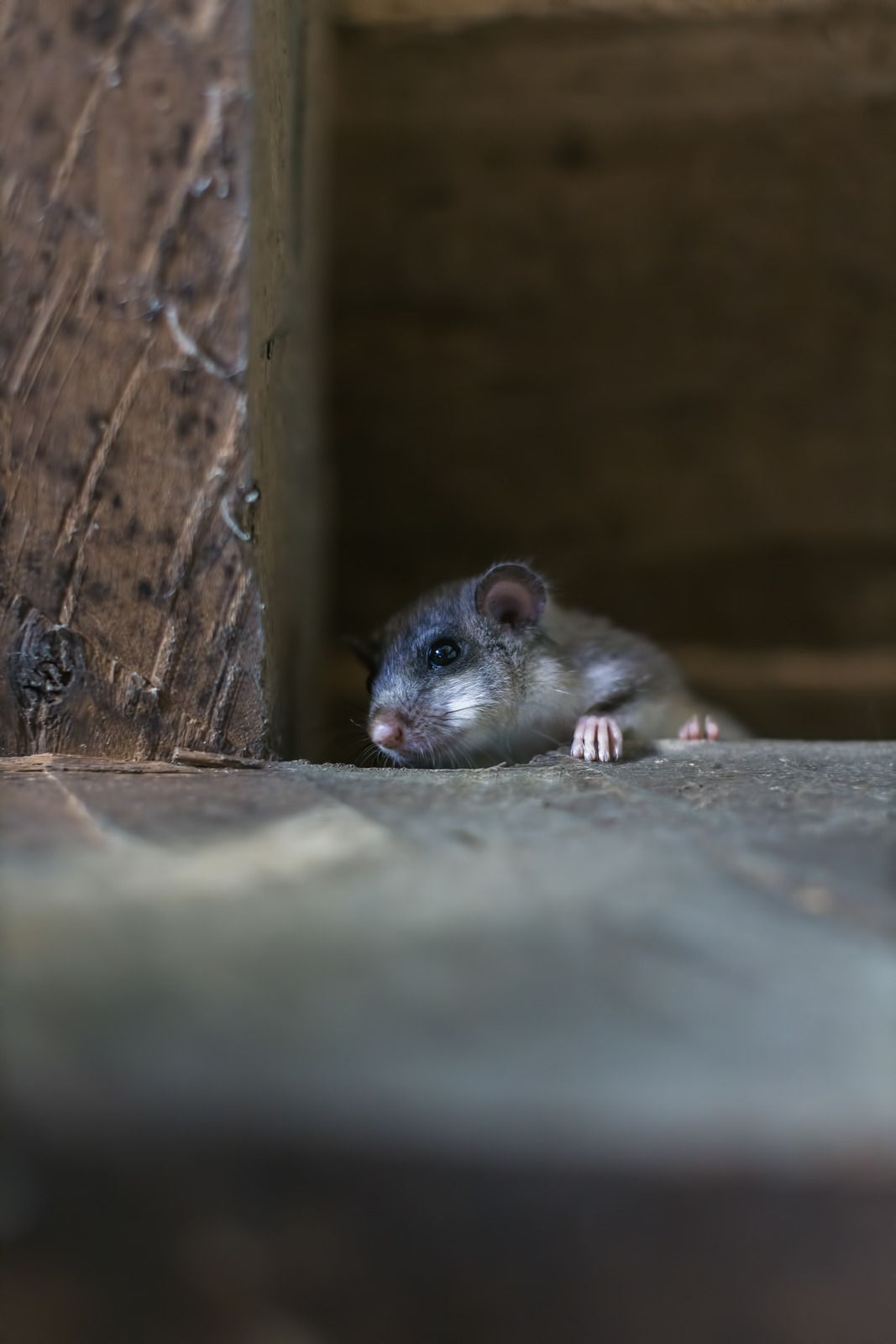
Rodents are more than just an unwelcome nuisance in homes—they pose serious risks to property and health. Attics and basements, with their quiet, undisturbed spaces, are especially attractive to rats, mice, and other rodents seeking shelter, warmth, and access to food.
Man inspecting a mattress with a flashlight, wearing gloves. Bedding in a room.
January 13, 2026
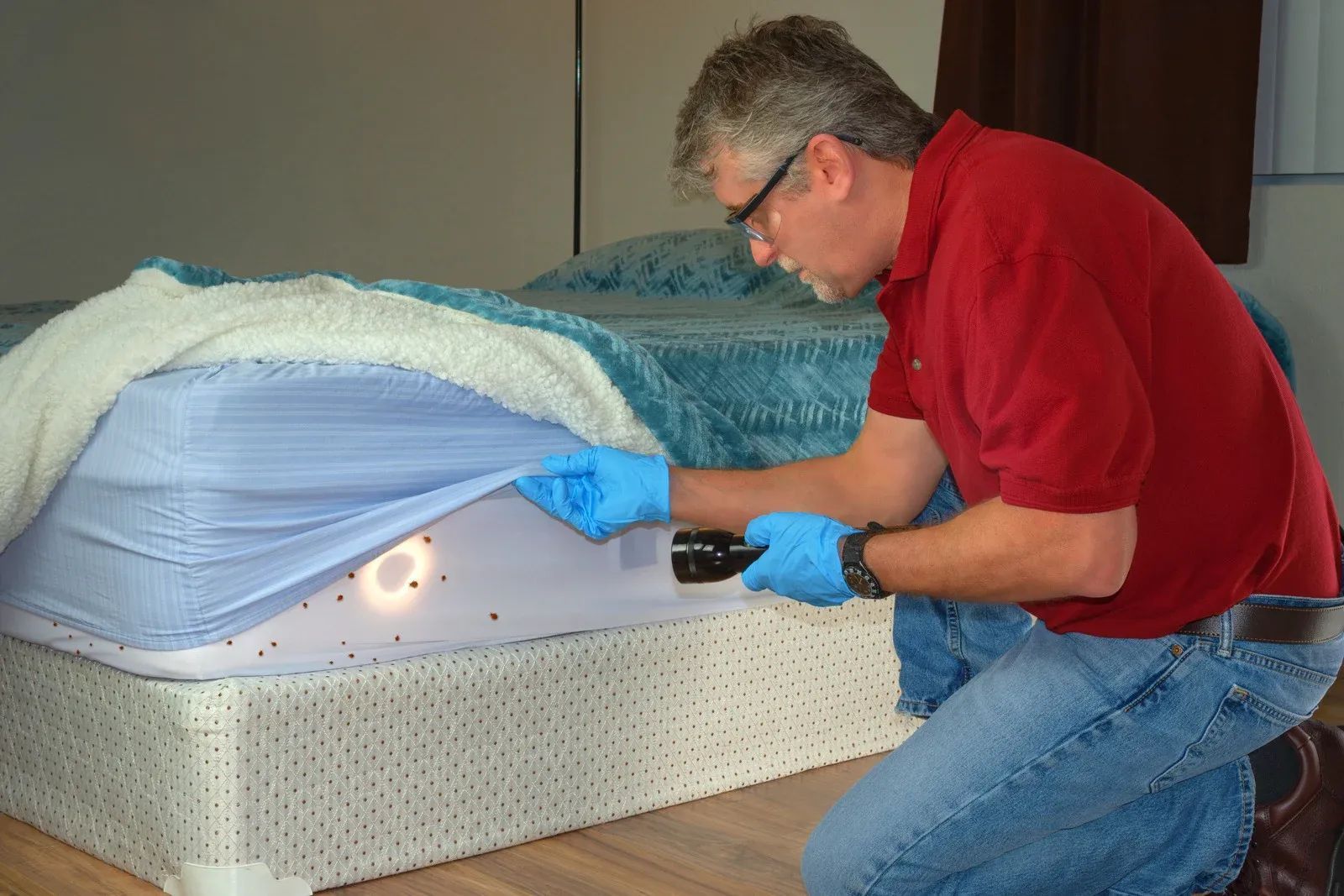
Bed bugs are small, elusive pests that can cause big problems for homeowners. Despite their tiny size, these insects can infest homes rapidly, creating both physical discomfort and emotional stress. Unlike other pests, bed bugs do not transmit diseases,
Termites on wood, some with yellow heads, clustered near a dark, crumbly area.
December 22, 2025
Homeownership is more than just possessing a structure; it represents an investment, a sanctuary, and a symbol of stability. Yet, hidden threats can silently undermine both the safety and value of your property.
Person in protective gear sprays insecticide in a kitchen.
November 19, 2025
Trying to tackle a pest problem yourself might seem like a quick and cost-effective solution, but it often leads to frustration and recurring infestations. While store-bought sprays and traps promise results, they rarely address the root cause of the problem.
Person in protective suit spraying insecticide near a cabinet in a room.
October 15, 2025
As the seasons change, so does the behavior of pests around your home. In a place like Atascosa, Texas, with its fluctuating temperatures and varying rainfall, seasonal shifts significantly influence the movement, breeding, and survival patterns of insects and rodents.
Show More