Scorpions Showing Up Indoors in the Texas Heat? Why They Come In and How to Keep Them Out
Quick Answer: Scorpions come indoors because your house offers what the brush outside sometimes cannot: shade, moisture, shelter, and a steady supply of small insects to eat. In South Texas the striped bark scorpion is the usual visitor. It is nocturnal, flat enough to slip through tiny gaps, and a good climber, so it enters through door gaps, weep holes, rooflines, and attics. The most effective defense is exclusion, meaning sealing entry points, clearing debris and branches away from the house, and cutting down the insects that serve as food, backed by a professional perimeter treatment.
You reach for a pair of shoes by the back door, or you flip on the bathroom light at night, and there it is: a pale, yellowish tan scorpion with two dark stripes down its back, sitting very still on the tile. Maybe it is the first one you have seen inside. Maybe it is the third this month. Either way, the same questions come right behind the startle. How did it get in, are there more, and what do you do about it?
If you live around Atascosa, Pleasanton, Poteet, Somerset, or the edges of San Antonio, scorpions are part of everyday life. They share the brush, rock, and dry ground with the rest of South Texas. Seeing one outside is normal. Finding them regularly inside the house is a sign that something about your home is working in their favor. The good news is that most of those things can be found and fixed.
Meet the Scorpion Most Likely in Your House
Texas is home to 18 scorpion species, and the one you are most likely to meet is the striped bark scorpion. Texas A&M entomologists describe it as the most common scorpion in the state and the only one found across all of Texas. Adults grow to about two and a half inches long, they are yellowish tan, and they carry two dark stripes running down the back. That coloring is the quickest way to recognize one.
Striped bark scorpions do not dig burrows. Instead, they hide by day under rocks, boards, loose bark, and debris, then come out at night to hunt. They climb well, which matters a great deal for how they reach your house. They also feed on small insects, spiders, and other scorpions, which is the part many homeowners overlook. If your home has a steady insect population, it is also serving as a pantry.
Why Scorpions Move Indoors
Scorpions do not wander into houses out of curiosity. They follow a short list of needs, and each one has an answer in South Texas.
Escaping extreme temperatures
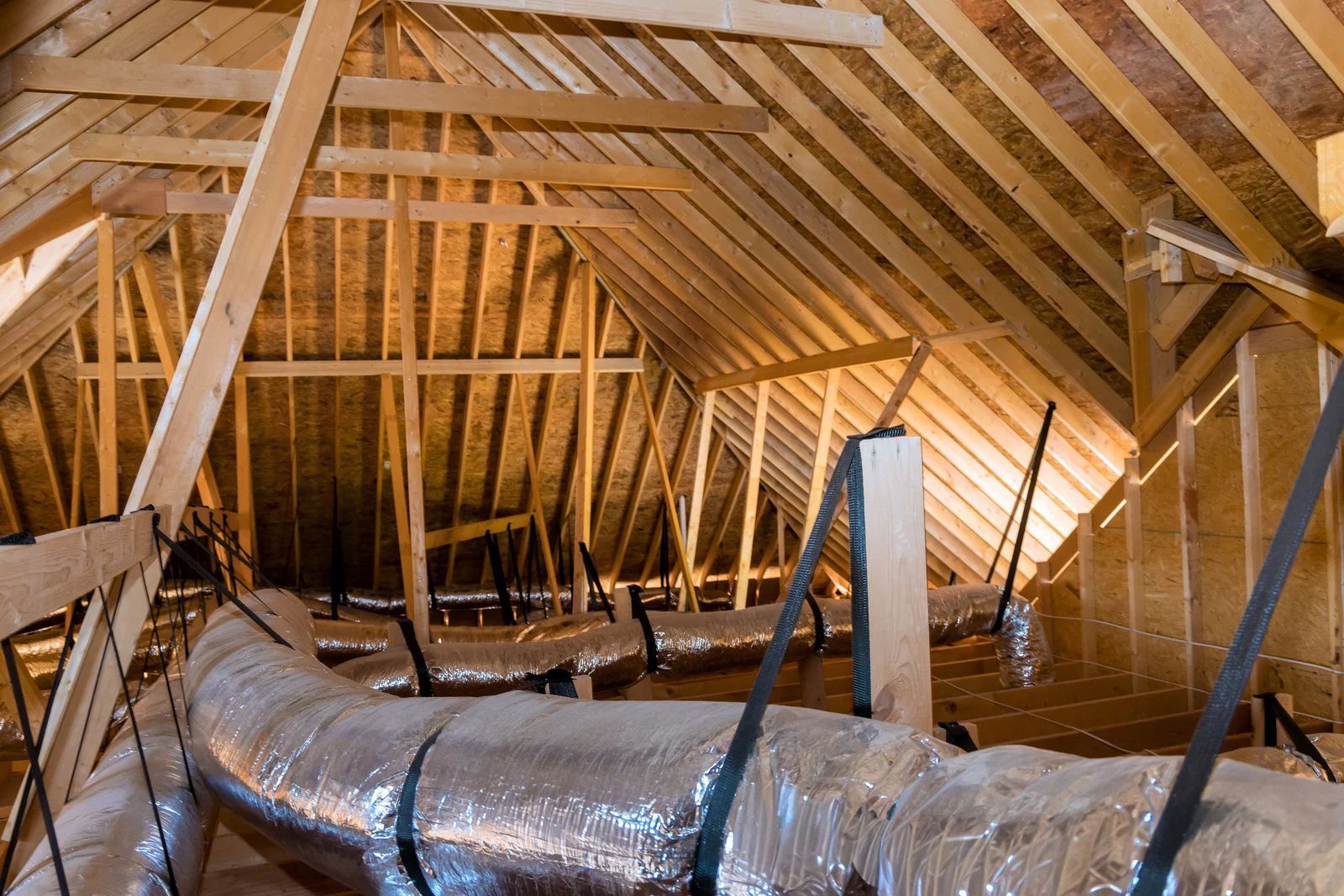
Scorpions do not do well in either extreme heat or hard cold. During a long, hot, dry stretch, the ground outside can turn into a poor place to hide. Your home, with its shaded corners, cooler air, and sealed walls, looks a lot better. Texas A&M AgriLife specialists have noted that hot, dry weather can send scorpions looking for water and a more comfortable environment, and that they often end up in attics first before moving down into living areas as attic heat builds.
The same logic applies as the weather turns. When nights cool off in the fall, a warm wall void, attic, or garage can look like the best shelter on the property.
Following their food
Scorpions eat what is small and soft: crickets, roaches, spiders, and other bugs. If those insects are living in your garage, crawl space, or around outdoor lights, scorpions have a reason to patrol the same areas. A home with an active insect problem tends to attract scorpions as a result, which is why controlling the food source matters as much as blocking the door.
Finding hiding places that are already built for them
A scorpion's body is flat, which lets it squeeze into spaces most people would never think of. Hairline cracks, gaps beside pipes, and loose weather stripping are enough. Once inside, clutter gives them somewhere to settle. Piles of clothing, stacks of boxes, and shoes left on the floor are all common finds.
How They Actually Get In
Think of your home as a series of small openings, because that is how a scorpion sees it. The most common entry points on South Texas homes are not dramatic. They are small, easy to miss, and often the same ones that let insects in.
Gaps under exterior doors and garage doors where the seal has worn thin.
Worn or missing weather stripping around doors and windows.
Weep holes in brick and stone veneer, which are designed to drain moisture but leave an open channel.
Cracks and gaps where pipes, cables, and vents pass through exterior walls.
Torn or loose window screens.
Gaps along the eaves and roofline, especially where tree limbs touch the structure.
Attic vents and soffit gaps that are not screened.
That roofline path deserves attention. Because striped bark scorpions climb, a tree branch resting against your roof or siding works like a bridge. Texas A&M entomologists point out that branches touching a structure give scorpions a direct route to the roof, and from there into the attic.
TIP: Walk the outside of your house at dusk and look for daylight. If you can see light around a door, a garage door seal, or a pipe opening from the inside, a scorpion can very likely get through the same spot from the outside. Mark each gap with a piece of tape so you can fix them in one pass.
Room by Room: Where You Are Most Likely to Find Them
Knowing where scorpions tend to turn up helps you decide where to look and what to change. This is also useful for telling a one time wanderer from a real pattern.
Garage And Utility Areas
These spaces often provide easy entry through door gaps and daytime hiding spots. Boxes, stored items, stacked lumber, and firewood create ideal shelter.
Bathrooms, Kitchens, And Laundry Rooms
Moisture attracts insects, which attract scorpions. Sinks, tubs, and floor drains can become travel routes, while smooth tub sides may trap them.
Closets And Bedrooms
Shoes, laundry piles, and floor clothing provide hiding places. Shake out shoes and garments before wearing them, especially items stored near exterior walls.
Attics
During the hottest weeks, scorpions appearing indoors may have entered through or sheltered in the attic before heat pushed them into living areas.
What to Do About the Yard and Exterior
Because scorpions begin outdoors, the area around your house sets the stage for what happens inside. This is especially true for rural and brush country properties around Atascosa County, where undeveloped land is often only a fence line away.
Entomologists with Texas A&M consistently describe exclusion as the best defense against scorpions. Here is what that looks like in practice.
- Clear away rocks, boards, bricks, and leftover building materials near the foundation. These are daytime hiding places.
- Keep firewood and wood piles away from the house and off the ground, and bring wood inside only when it is going straight into the fireplace.
- Mow grass short near the house and trim shrubs so they do not touch the walls.
- Cut back tree limbs that touch or hang over the roof.
- Raise trash cans and containers off the ground.
- Replace worn weather stripping and door sweeps.
- Plug weep holes with steel wool, copper mesh, or screen wire so water can still drain while pests cannot walk through.
- Seal cracks and gaps around pipes, vents, and utility lines.
- Repair window screens so they fit snugly in their frames.
None of these steps is complicated, but together they remove most of the easy routes. If you only have time for a few, start with the door seals, the roofline, and the weep holes.
Why Spraying Inside Rarely Solves It
When people find a scorpion, the first impulse is to grab a can of insecticide and spray along the baseboards. It feels productive, but it tends to disappoint. Scorpions are tough, they spend most of their time hidden, and they are not easy to kill with a quick surface spray. Local extension guidance also warns that trying to handle scorpions yourself can be dangerous and often does not work.
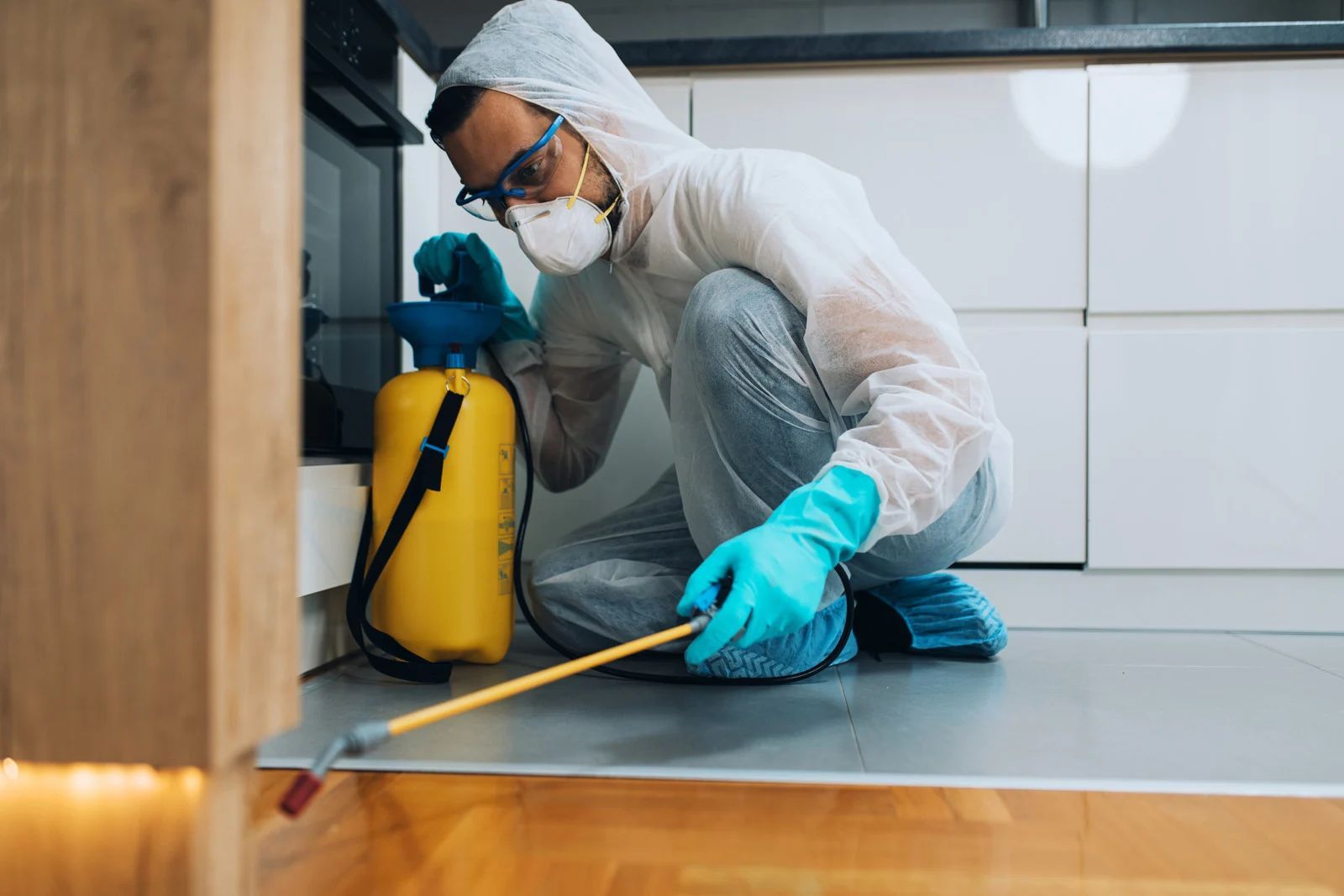
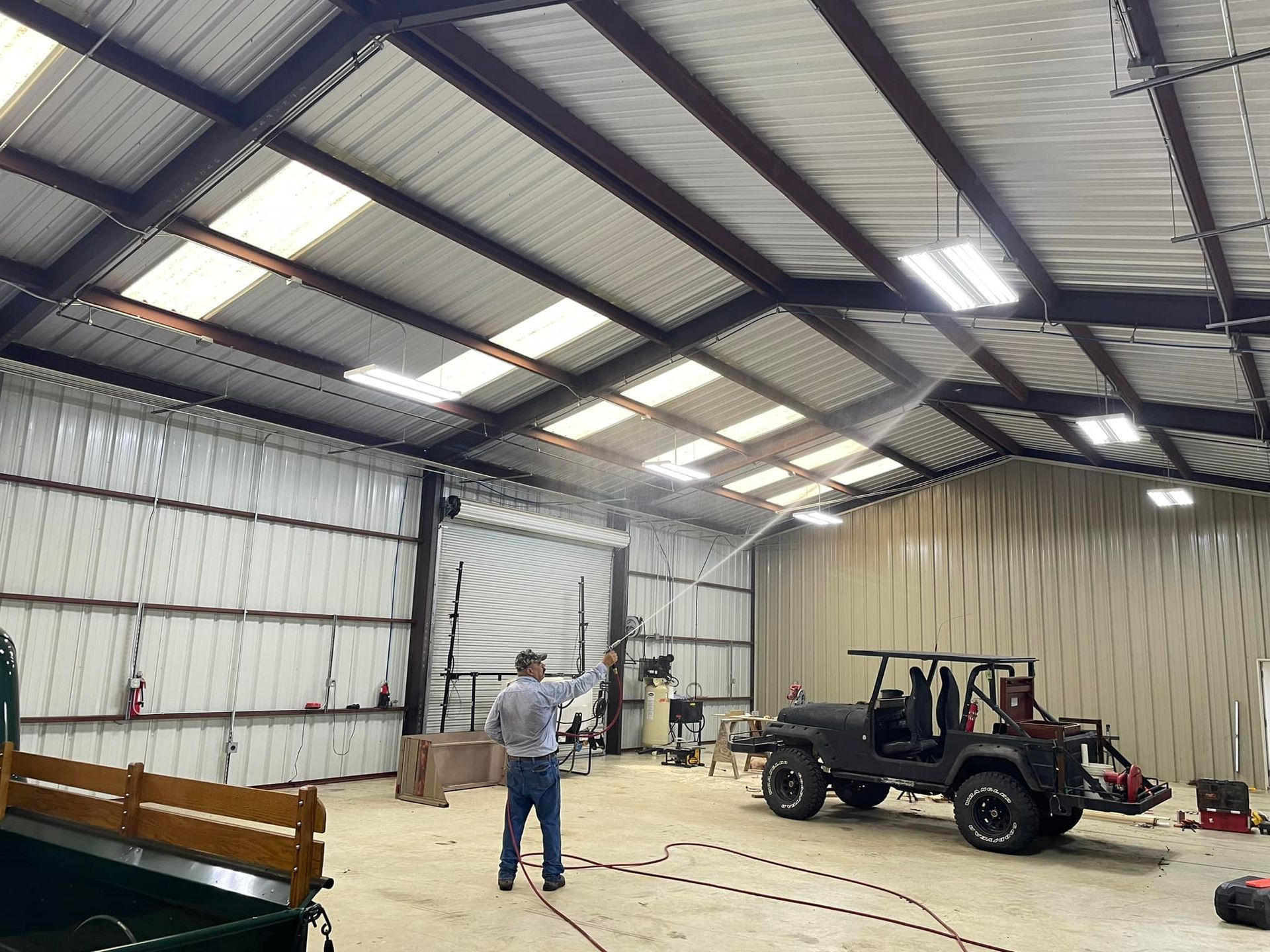
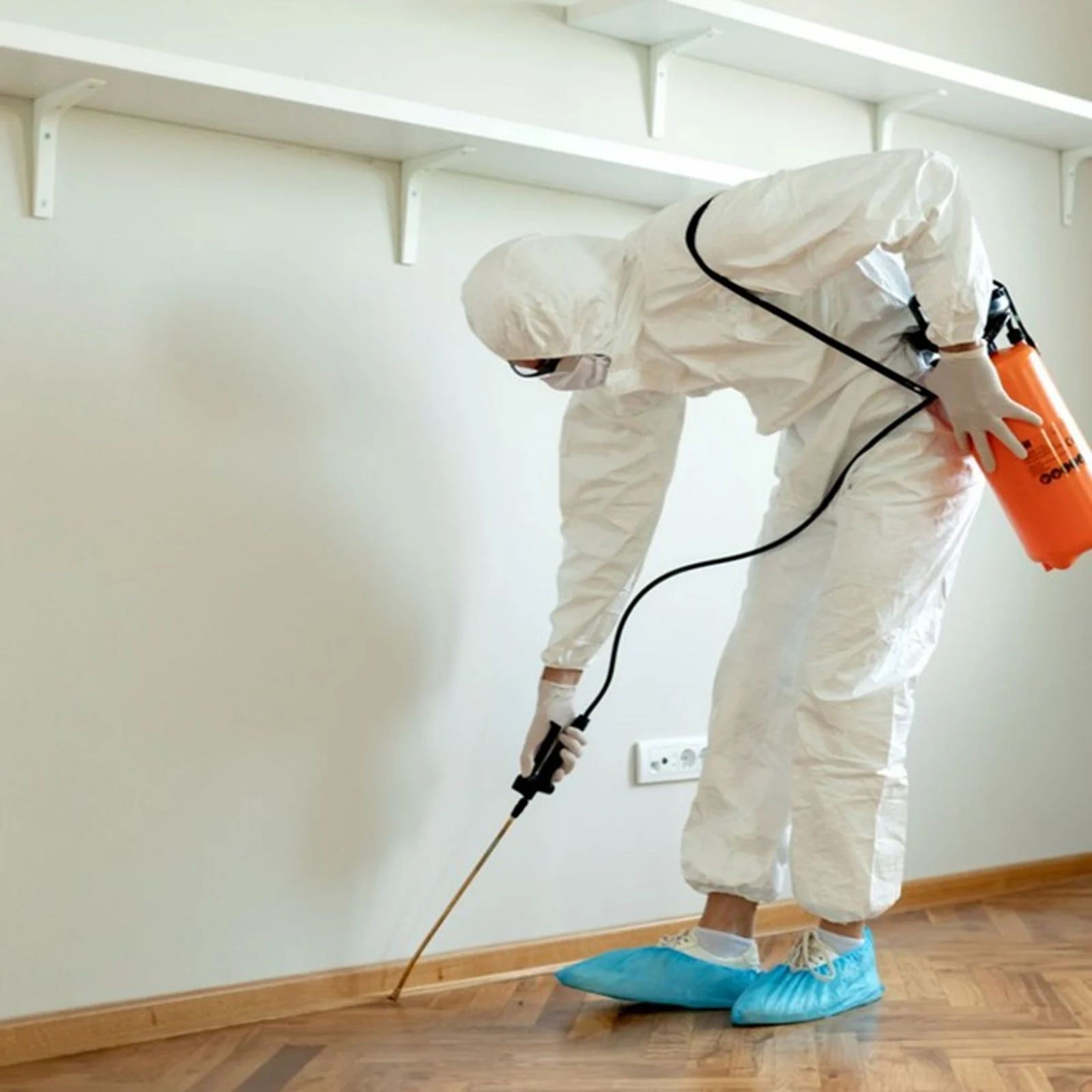
There is a second problem. Spraying indoors treats the scorpion you can see, not the reason it arrived. The next one follows the same gap and the same trail of insects. A lasting solution has to work from the outside in. That means treating the foundation and entry areas, reducing the insect food supply, and closing the openings that brought them in. Professionals use products matched to the pest and apply them according to the label, usually around the foundation, up the lower part of exterior walls, and around doors, windows, and other entry points.
WARNING: Do not try to pick up, trap, or crush a scorpion with your bare hands, and keep children and pets away from it while you deal with it. Use a long handled tool or a jar and stiff paper, and wear closed shoes and gloves. Never place a scorpion in your pocket or leave it where a child could find it.
If Someone Gets Stung
Most stings from the striped bark scorpion cause a moderate reaction. Texas A&M specialists note that its venom has little effect on the nervous system for most people, so the typical result is sharp pain, some swelling, and tingling around the sting. Reactions vary, and allergic reactions are possible.
The usual first steps are simple. Wash the area and apply an ice pack to ease pain and swelling. Then watch the person closely for several hours. Get medical attention right away if breathing becomes difficult, hives appear, or swelling and pain keep getting worse. Young children, older adults, and anyone with known allergies should be checked sooner rather than later. If you are unsure, call Poison Control or your doctor for guidance.
Wearing leather gloves while working in the yard, moving wood, or reaching into storage areas is a small habit that prevents a lot of stings.
Why a Single Scorpion Can Mean a Bigger Pattern
One scorpion on the garage floor after a hot week is not a crisis. Two or three in a month, especially in the same room, tells you there is an entry point or a food source that has not been dealt with. Scorpions can live for several years, and females give birth to live young, so a home with a favorable setup can hold more scorpions than anyone realizes.
Pay attention to these signs of a pattern:
- Scorpions turning up in the same room more than once.
- Sightings in both the garage and the living areas.
- A noticeable number of crickets, roaches, or spiders in the same areas.
- Scorpions coming down from the ceiling or climbing walls.
- Sightings that continue well after the hottest weeks have passed.
If you see these signs, it is time to look beyond one off removal and set up a prevention plan that covers the whole property.
Building a Plan That Keeps Them Out
The most reliable scorpion control works in layers. Exclusion closes the doors. Yard cleanup removes the hiding places. Insect control removes the food. A professional perimeter treatment adds a protective barrier at the places scorpions cross to get inside.
Regular service matters because the pressure on your home changes through the year. Heat and drought push scorpions toward houses in summer, cooler nights drive them toward warm shelter in fall, and new insect populations show up with each season. A plan that checks and treats the exterior on a schedule catches those shifts before they turn into an indoor problem.
Frequently Asked Questions
Why are scorpions suddenly showing up in my house?
Usually something changed outside. A hot, dry stretch, more insects, a new woodpile, a limb touching the roof, or a worn door seal can tip the balance. Scorpions seek shelter, moisture, and food, and your home offers all three.
Are the scorpions in South Texas dangerous?
The striped bark scorpion usually causes a moderate reaction with pain and swelling. Allergic reactions are possible, and children and people with allergies need watching. Seek medical help if breathing becomes difficult or hives appear.
Where do scorpions hide during the day?
They hide under rocks, boards, loose bark, and debris outdoors. Inside, they tuck into cracks, closets, shoes, clothing piles, boxes, and attics. They are nocturnal, so you are most likely to see them at night.
Can scorpions climb walls and get into the attic?
Yes. Striped bark scorpions climb well, and branches touching the roof can give them a direct path. Once in the attic, they may move down into living areas as attic temperatures rise.
Will sealing cracks really keep scorpions out?
It helps a great deal. Entomologists call exclusion the best defense. Sealing door gaps, plugging weep holes, repairing screens, and closing openings around pipes removes many of the routes scorpions use to get inside.
Should I spray indoors myself when I see one?
Spraying inside rarely fixes the cause. It does not stop new scorpions from entering or reduce the insects that attract them. A plan that treats the exterior, targets entry points, and addresses food sources works better.
Shut the Door on Scorpions for Good
Scorpions are a normal part of life in South Texas, but they do not have to be a regular part of life inside your house. When one keeps turning up indoors, it is telling you that your home is offering what the brush outside sometimes cannot: shade, moisture, shelter, and a steady supply of insects to eat. The lasting answer is never the can of spray aimed at the one you can see. It is exclusion, cleanup, and cutting off the food that drew it in.
Seal the door gaps, plug the weep holes, pull branches back from the roof, and the easy routes close one by one. COWBOY PEST CONTROL
has spent 4
years inspecting homes across Atascosa, TX for exactly those entry points, then treating the foundation so scorpions stop making it past the walls. A house that stays scorpion free through a hot, dry summer is rarely luck. It comes from finding what invited them in, and fixing it before the next one shows up.