Waking Up With Itchy Bites in a Row? How to Tell if It's Bed Bugs
Quick Answer: Itchy bites in a line or cluster that show up after a night's sleep can point to bed bugs, but the bites alone cannot confirm it. Bed bug bites look a lot like mosquito and flea bites, and many people react days later or not at all. The reliable proof is on the bed itself: live bugs, shed skins, small rusty or dark spots on the sheets and mattress seams, and a sweet musty smell. Check those spots first, then bring in a technician to inspect before the bugs spread to other rooms.
You wake up, pull back the covers, and notice it: a short row of red, itchy bumps on your forearm, or a little cluster across your neck and shoulder. Nothing was there when you went to bed. You check the window, you wonder about a mosquito that got in, you think about the dog or the cat. Then the thought you were hoping to avoid shows up. What if it is bed bugs?
That worry is fair, and it is worth taking seriously without panicking. Bites by themselves are a weak clue, because plenty of insects leave similar marks. What gives the answer away is the pattern of the bites combined with what you find around the bed. Here is how to read both, what is normal for homes around Atascosa and San Antonio, and when it makes sense to stop guessing and have someone look.
What Bed Bug Bites Actually Look Like
Bed bug bites are small, red, and raised, and they itch. That description fits half the bug bites you will ever get, which is exactly why people struggle to identify them. The CDC notes that bed bug bites look similar to mosquito or flea bites, a slightly swollen red area that may itch, and that the marks can show up randomly or in a straight line. The line or small cluster is the detail most people remember, because bed bugs often bite more than once in the same area as they feed and move.
Bed bugs feed at night while you sleep, and they inject a numbing and blood thinning fluid as they do. That is why you do not feel anything while it happens. It is also why the bites often go unnoticed until the next morning, or even a day or more later. Some people never develop a visible mark at all, so a partner can wake up covered in bites while you wake up with nothing. If you live with someone and only one of you is itching, that does not rule bed bugs out.
Where the bites land matters too. Bed bugs go for skin that is exposed while you sleep, so the face, neck, arms, and hands are common spots. A bite pattern on the ankles and lower legs leans more toward fleas. Bites on the parts of your body that were covered by clothing all night lean away from bed bugs, though it does not completely eliminate them.
Bed Bug Bites Compared to Mosquitoes, Fleas, and Other Bites
Because South Texas has mosquitoes, fleas, chiggers, and plenty of other biters, it helps to know how the common ones differ. None of these rules are perfect, but together they narrow things down.
Mosquito bites tend to be scattered, show up on any exposed skin, and often appear while you are awake or soon after you were outdoors. They are usually puffy and itch right away.
Flea bites cluster around the ankles and lower legs, often with a tiny dark dot in the center, and they tend to come from a pet or a carpeted room.
Chigger bites gather where clothing fits tight, such as waistbands and sock lines, and usually follow time spent in tall grass or brush.
Bed bug bites appear on skin that was uncovered during sleep, often in a short line or tight group, and tend to keep appearing on new mornings while you are sleeping in the same bed.
That last point is the most telling one. A bite you pick up on a hike or at the lake is a one-time event. New bites that keep showing up on mornings after you slept at home are a repeating pattern, and a repeating pattern means something is living in your sleeping area.
TIP: Take a photo of the bites each morning and note which night you slept where. If new bites appear only after nights in one bed, that bed is where to look first. If they appear no matter where you sleep, mosquitoes, fleas, or chiggers become more likely suspects.
The Signs on the Bed That Tell You More Than the Bites
Since the skin is an unreliable witness, the better evidence is on and around the bed. Bed bugs are flat, reddish brown, wingless insects between about 1 millimeter and 7 millimeters long, roughly the size of an apple seed once they have grown. They are experts at hiding, and during the day they tuck into the seams and folds near where people sleep. The CDC says they tend to live within about 8 feet of the sleeping area, though they can travel much farther in a night.
When you check, go slowly and use a flashlight. Look for these signs:
- Live bugs in the seams and tufts of the mattress and box spring, along the piping, and in the folds of the sheets.
- Shed skins, which are pale, empty shells the bugs leave behind as they grow.
- Small rusty or dark spots on sheets, pillowcases, and the mattress, from crushed bugs or their droppings.
- Tiny pale eggs or egg shells tucked into crevices.
- A sweet, musty odor in the room, which becomes noticeable with a larger infestation.
Do not stop at the mattress. Check the bed frame joints, the back of the headboard, nightstands, baseboards, behind wall hangings, and the edges of carpet. In a South Texas home with a lot of tile or hard flooring, bed bugs still find places to hide. They only need a thin crack, which means loose screws, picture frames, and electrical plates near the bed can all shelter them.
Why It Happens in Clean Homes Too
Many people feel embarrassed at this point, so it is worth saying plainly: bed bugs have nothing to do with how clean your home is. The CDC points out that they turn up in five star hotels and resorts as well as ordinary houses. They travel on luggage, backpacks, used furniture, and clothing, and they ride along from shared spaces into private ones.
In Atascosa and the surrounding towns, the usual routes are the ones you would expect. A weekend trip to a hotel, a visit from relatives, a used couch from a resale shop, a mattress from a family member, or a rental where the last guest left something behind can all bring them in. People who travel often, host overnight guests, or share sleeping space face a higher chance. The bugs do not care about your housekeeping, they care about a warm sleeper nearby.
Why Waiting It Out Makes It Harder
It is tempting to hope a few bites were a fluke. The trouble is that bed bugs multiply quietly. A single female can lay hundreds of eggs over her lifetime, and the population grows while you are asleep and unaware. Bed bugs can also live for several months without a blood meal, so an empty room does not mean they have died. They wait.
As numbers grow, they spread. Bugs that began in the mattress start settling into the headboard, then the nightstand, then the wall behind it, and eventually into a neighboring bedroom or the living room couch. A small problem confined to one bed is far easier to handle than one that has reached several rooms. This is the main reason early identification matters more than any single bite.
WARNING: Do not carry bedding or clothing from the suspected room through the rest of the house in an open pile, and do not move the mattress into another room to sleep somewhere else. Bag items first, then wash and dry them on high heat. Moving things around casually can spread the bugs to the very rooms you were trying to protect.
Why Spraying Store Bought Products Rarely Solves It
When people confirm or strongly suspect bed bugs, the first move is usually a can of spray from the hardware store. It feels like action, but it often backfires. Bed bugs hide in tight cracks that a surface spray does not reach, and eggs are hard to reach and harder to kill. Some products simply push the bugs deeper into the walls or over to other rooms, which makes the infestation harder to find and harder to treat.
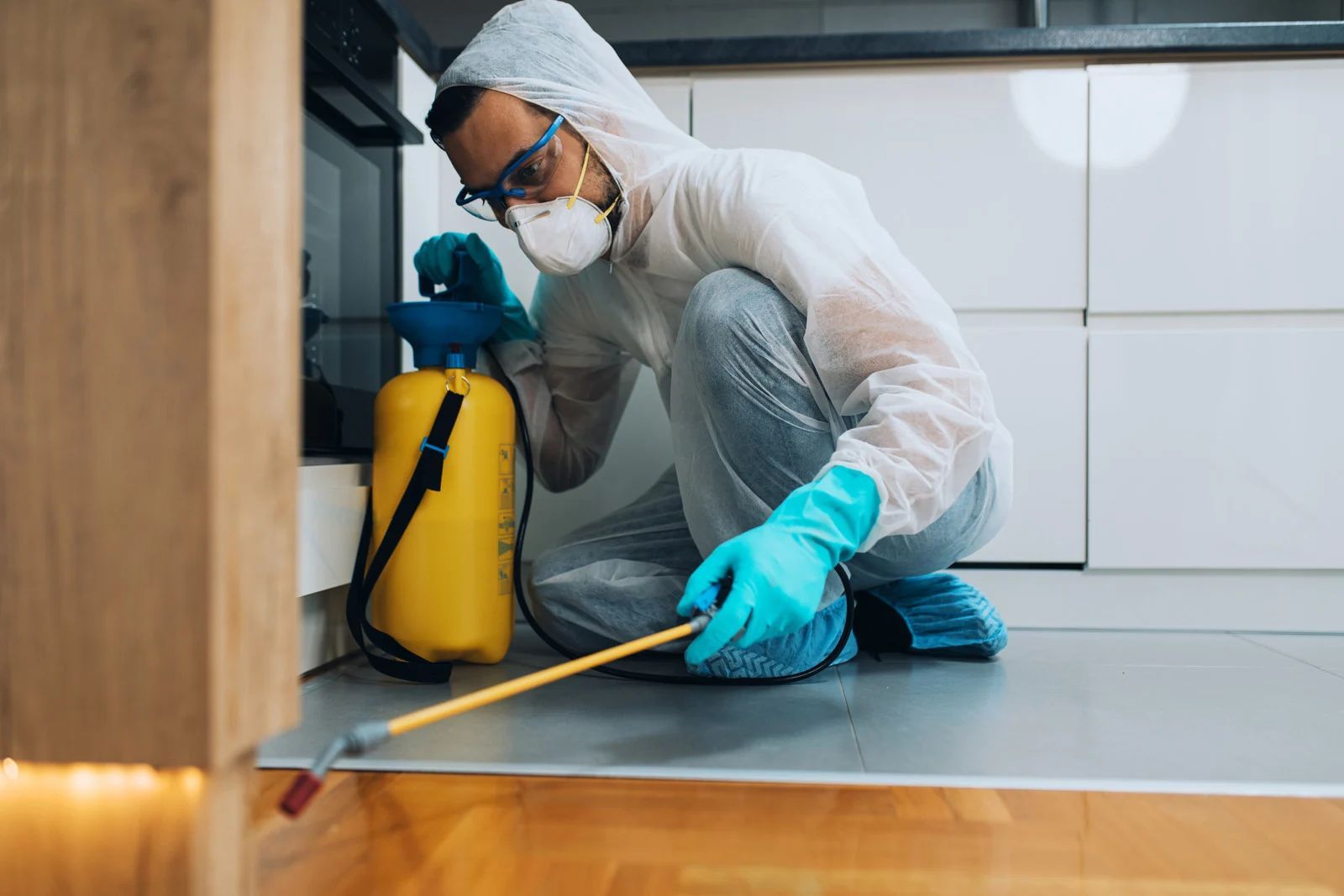
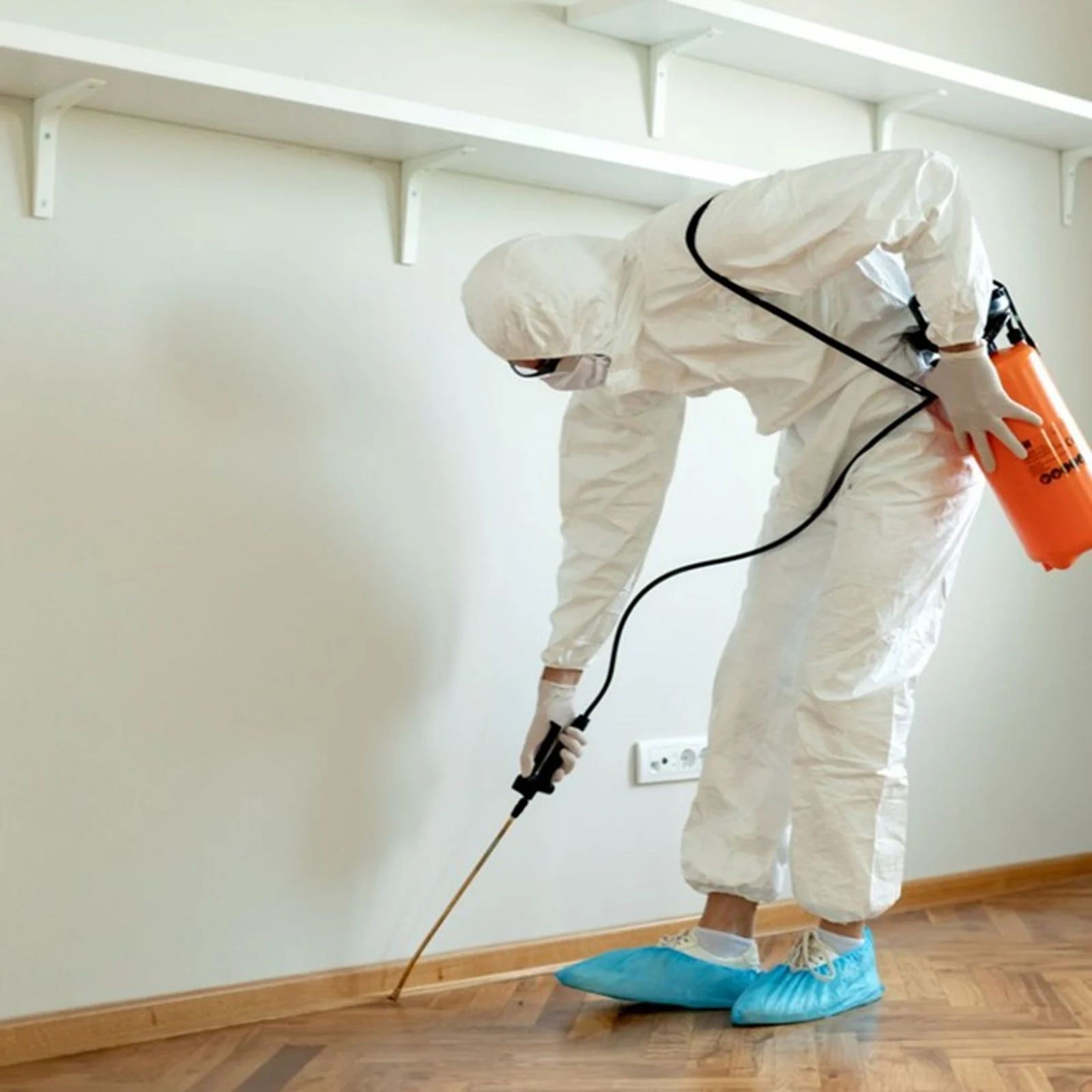
A professional approach starts with a real inspection of the sleeping areas, furniture, baseboards, and upholstery to see where the bugs are, how far they have spread, and what life stages are present. Treatment then targets eggs, nymphs, and adults, and follow up visits check that the cycle has been broken instead of just paused. Because eggs hatch on their own schedule, one visit is often not enough, and a second look after treatment is how you know it worked.
What to Do Right Now If You Suspect Bed Bugs
You do not need to tear the house apart. A few calm steps will help you and make the eventual inspection more useful.
Strip the bed and inspect the seams, tags, and corners of the mattress and box spring with a flashlight.
Bag any bedding you remove and wash and dry it on high heat.
Vacuum the mattress edges, bed frame, and baseboards, then seal the vacuum contents in a bag and take it outside.
Hold off on moving furniture out of the room or sleeping on the couch.
Write down where and when you noticed bites and any signs you found.
For the bites themselves, the CDC says most do not need medical treatment. Washing the area and avoiding scratching helps prevent infection, and an antihistamine may ease itching. If you have swelling that keeps growing, pain, or any sign of an allergic reaction, speak with your healthcare provider.
Frequently Asked Questions
Can bed bug bites be in a straight line?
Yes. Bite marks from bed bugs can appear randomly or in a line or small group, which is why a row of bites is often the first thing people notice. A line alone is not proof, so check the bed for shed skins, spots, and live bugs.
Why does my partner have bites and I do not?
People react to bed bug bites very differently. Some develop red, itchy welts within a day, some take up to two weeks, and some never show a mark. Not having bites does not mean the bugs are not there.
Do bed bugs spread diseases?
The CDC says bed bugs are not known to spread diseases to people. The main problems are itching, lost sleep, stress, and sometimes a skin infection from scratching.
Where do bed bugs hide during the day?
They hide in mattress seams, box springs, bed frames, headboards, furniture joints, baseboards, and small cracks near where people sleep. They prefer tight, dark spaces within a few feet of the bed.
Can I confirm bed bugs just from the bites?
Not reliably. Bites resemble mosquito and flea bites, so confirmation comes from finding bugs, shed skins, eggs, or rusty spots on the bedding and furniture, ideally during a professional inspection.
Is one treatment enough to get rid of them?
In most cases, no. Multiple treatments or follow up inspections are usually needed to catch bugs that hatch after the first visit and to confirm the infestation is truly gone.
Let the Bed, Not the Bites, Answer
A row of itchy bites is unsettling, but on its own it is a weak clue, since bed bug bites look much like those from mosquitoes, fleas, and chiggers. The answer lives on the bed rather than the skin: live bugs in the mattress seams, shed skins, rusty spots on the sheets, and a faint musty smell. Watching whether new bites keep appearing after nights in the same bed, then checking those hiding spots, tells you far more than any single mark ever could.
The reason to settle it quickly is that bed bugs multiply quietly and spread from one bed to the next room the longer they go unchecked. COWBOY PEST CONTROL
has spent 4
years inspecting and treating sleeping areas across Atascosa, TX, catching every life stage and confirming the cycle is broken with follow up visits. Read the signs around the bed, avoid spreading things room to room, and get a clear answer early, while the problem is still confined to one place.